
我们如何活化了一个社区
李继津
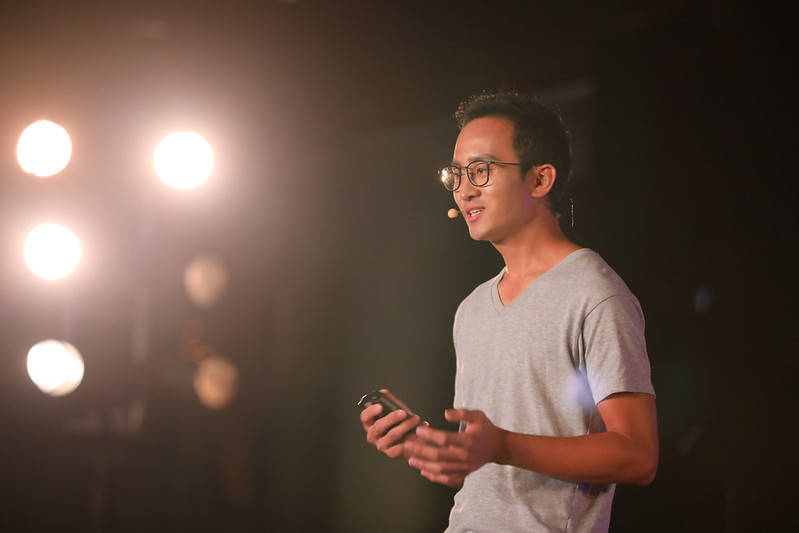
李继津受过建筑训练,但当他第一次踏入开平塘口这个小村庄时,他并没有急于去建造什么——而是选择先倾听。在这场演讲中,他分享了自己和团队如何把一个衰败的旧村庄变成了一个吸引人们特意前来造访的地方,更重要的是,他们如何在村民心中重建了信任、信心与尊严。
李继津毕业于五邑大学建筑学院。他热爱田野实践,常年穿着雨靴、系着草帽奔走在村间地头,看上去更像一位农民而非传统意义上的建筑师。
早在大学期间,他就是“仓东计划”的重要成员,参与了开平地区的乡村遗产保护项目,协助村民修复碉楼与传统村落。毕业后,他继续投身乡村振兴。作为塘口国际青年空间的共同创办人,他将一座废弃机械厂改造成了集住宿、文化、交流于一体的公共平台,不仅激活了本地社区,也让外地年轻人愿意走进乡村,与在地文化发生真实的连接。
How did we revive a community
Cyrus Li
Cyrus was trained as an architect, yet when he first set foot in a village just outside of Guangzhou, he didn’t rush to build. In the talk, he showed us how he and his team turned an old village into (almost) an attraction while giving the locals confidence and dignity.
Graduated from the School of Architecture, Wuyi University, Cyrus Li enjoys rushing about in the field wearing boots and a straw hat tied around his neck. He looks like a real peasant, which doesn’t quite match his job as an architect.
As a key member of the “Cangdong Project” in college, he participated in the Kaiping Rural Heritage Conservation Project to help villagers repair and preserve the Diaolou and villages.
After graduation, he dedicated himself to working in rural areas. As a co-founder, he transformed a closed mechanical factory into an international youth hostel—Tangkou International Youth Space (also known as Tangkou Space)—in the old market area of Tangkou, Kaiping.
“Tangkou Space” is not only a hostel, but also an important public place that activates local communities, connects locals with outsiders, and promotes local cultural brands to an international audience.
 TEDxGuangzhou (TEDxXiguan) 2014-2023
留下评论