
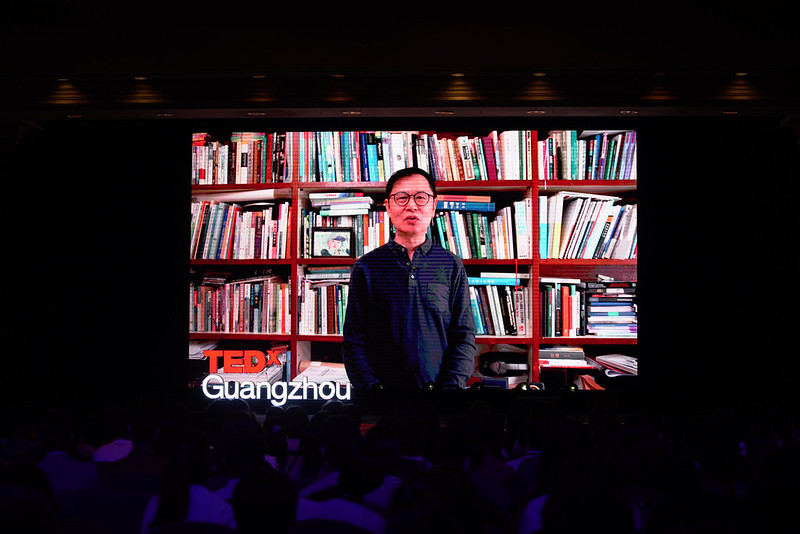
如何实现高密度下的宜居
王缉宪
你知道你生活的地方是高密度,还是低密度吗?密度的高低如何影响宜居与否,我们又能做些什么改善周围的环境?在这场演讲中,城市规划专家王缉宪将带领我们探讨这些问题。
王缉宪,1954年出生于北京。16岁时进入砖瓦厂当壮工,工作了八年。1978年考入中国人民大学,获得经济学学士学位。此后在中国科学院工作,随后前往香港大学攻读地理学硕士学位,并在多伦多大学取得地理学博士学位。
他回到香港大学任教24年,曾担任地理系主任。现任「一带一路」香港国际中心暨大湾区香港中心研究总监,专注于大湾区及「一带一路」区域发展的相关议题。他的专长是中国港口城市的演变以及运输枢纽地理。
他在国内外重要学术期刊上发表了近百篇论文,并参与了超过40个与港口、机场、港口城市及城市群规划战略相关的国内外研究咨询项目。
How to achieve livability at high density
James Wang
Do you know if you’re living in a high-density or low-density area? How does population density impact our quality of life? And what can we do to make our surroundings better? In this talk, urban planning expert James Wang takes us on a journey to explore these questions.
James Wang was born in Beijing in 1954. At 16, he worked as a laborer in a brick factory for eight years. In 1978, he was admitted to Renmin University of China and earned a bachelor’s degree in economics.
He later worked at the Chinese Academy of Sciences, then pursued a master’s in geography at the University of Hong Kong, and went on to complete a Ph.D. in geography at the University of Toronto.
After returning to the University of Hong Kong, he taught there for 24 years and once served as the head of the Department of Geography. He is now the Research Director at both the Belt and Road Hong Kong Centre and the Greater Bay Area Hong Kong Centre, focusing on regional development issues tied to the Belt and Road and the Greater Bay Area.
His research centers on the evolution of China’s port cities and transport hub geography. He has published nearly 100 papers in top journals worldwide and has contributed to over 40 planning and consulting projects on ports, airports, port cities, and urban clusters both in China and internationally.
 TEDxGuangzhou (TEDxXiguan) 2014-2023
留下评论