
看到大事件中的个体,看到个体背后的时代
吴琪
在如今信息爆炸的时代,传统媒体似乎越来越边缘。但像新冠疫情这样的公共事件,让我们重新意识到它的不可替代性——它仍然是记录社会、传递真相的重要载体。
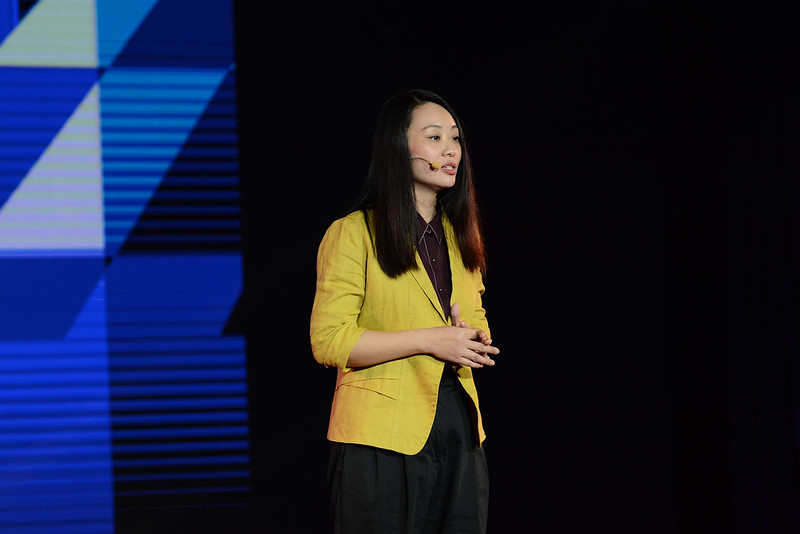
那么,这些记录到底意味着什么?它们的价值在哪里?又是什么样的记录,才真正称得上是承担起了公共媒体的责任?在吴琪看来,公共媒体的意义正是在于,它不仅能在宏大的社会事件中看到“人”,还能通过一个个体的故事,勾勒出背后那个复杂的时代与社会结构。这才是它在网络社交时代存在的根本理由。
作为《三联生活周刊》的副主编,吴琪从事社会新闻多年,她也是一位土生土长的武汉人。2020年疫情期间,她带领团队在自己熟悉的土地上,真实记录了武汉的状况与人们的生活。
社会新闻曾经是新闻报道中最核心的一环,如今却在新媒体的浪潮中逐渐边缘化。它还重要吗?它还能承担公共责任吗?吴琪认为,我们每天用什么样的“信息菜单”来获取新闻,其实深刻影响着我们理解世界的方式。而对当下的年轻人来说,重新建立起对媒体的认知,是一件迫切而必要的事。自媒体不能成为唯一的获取路径,公共媒体的存在与被信任,同样重要。
Seeing individuals in big events
Qi Wu
We live in a time when information is everywhere, and traditional media seems to be fading into the background. But moments like the COVID-19 pandemic remind us that journalism—especially public journalism—still plays a crucial role in documenting reality and delivering truth. So what do these records really mean? What gives them value? And how do we know if public media is living up to its mission?
For Qi Wu, the power of public media lies in its ability to humanize large-scale events and, through the lens of individual stories, uncover the complex structures and social systems that shape our times. This is why public media still matters, especially in an era dominated by social platforms.
Qi Wu, deputy editor-in-chief of Sanlian Lifeweek, is also a native of Wuhan. In 2020, during the outbreak of COVID-19, she led her team in reporting from the very city she grew up in—documenting both crisis and resilience.
Social reporting used to be the backbone of journalism. But in today’s fast-paced media environment, is it still relevant? Can it still serve the public good? Qi believes that how we consume information—our “media diet”—profoundly shapes how we see the world. For today’s young people, rebuilding their understanding of media is more important than ever. Social media should not be the only source. Public, credible journalism still has a critical role to play.
 TEDxGuangzhou (TEDxXiguan) 2014-2023
留下评论