
“清零”与“共存”之间,还有对话的可能吗?
郭兆凡
新冠疫情和相应的防控政策,已经逐渐成为我们生活中的常态。而关于政策是否合理、要不要“清零”或“共存”的讨论,也从未停歇。但这些讨论真的有效吗?观点不同的人,真的在倾听彼此吗?有没有因为对话而改变想法?
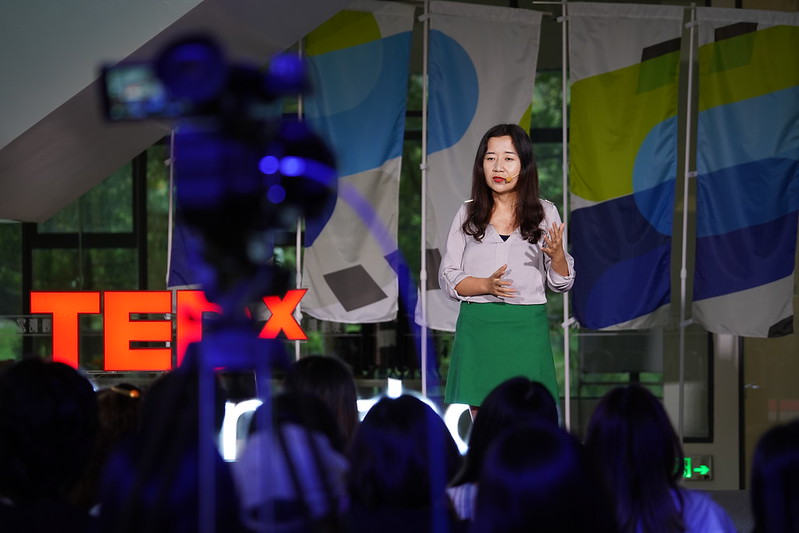
批判性思维教育者郭兆凡在她的演讲中,细致分析了“清零”与“共存”两派在争论中常常忽略的关键点,并进一步提出:如果我们真的想让对话变得有意义、有成果,需要在思维方式和表达策略上进行哪些改变。
郭兆凡毕业于清华大学和伦敦政治经济学院。出于对教育的热情,她曾深入走访多个教育改革案例,观察并对比在不同教育环境中成长的学生所呈现的生命状态。这让她更加坚定地意识到思维教育的缺失和必要性。随后,她与朋友一起创立了“C 计划”,专注于推动批判性思维在青少年教育中的普及。
Effective dialogues beyond Zero-Covid
Grace Guo
As Covid-19 becomes part of our everyday life, debates over prevention policies—whether to “eliminate” the virus or “coexist” with it—continue to divide opinions. But how effective are these conversations really? Are people with different viewpoints genuinely listening to each other? Can dialogue actually shift perspectives?
In her talk, critical thinking educator Grace Guo breaks down the common blind spots in both the “Zero-Covid” and “Coexistence” camps. She then explores what it takes to have truly meaningful conversations—ones that don’t just repeat positions but open space for deeper understanding and change.
Grace Guo graduated from Tsinghua University and the London School of Economics. Drawn to education, she spent time visiting dozens of schools experimenting with reform, closely observing how students’ lives changed in different learning environments. These experiences revealed to her a deeper issue: how little attention is given to cultivating critical thinking. That realization led her to co-found Project C, an organization dedicated to making critical thinking an accessible and essential part of youth education.
 TEDxGuangzhou (TEDxXiguan) 2014-2023
留下评论