
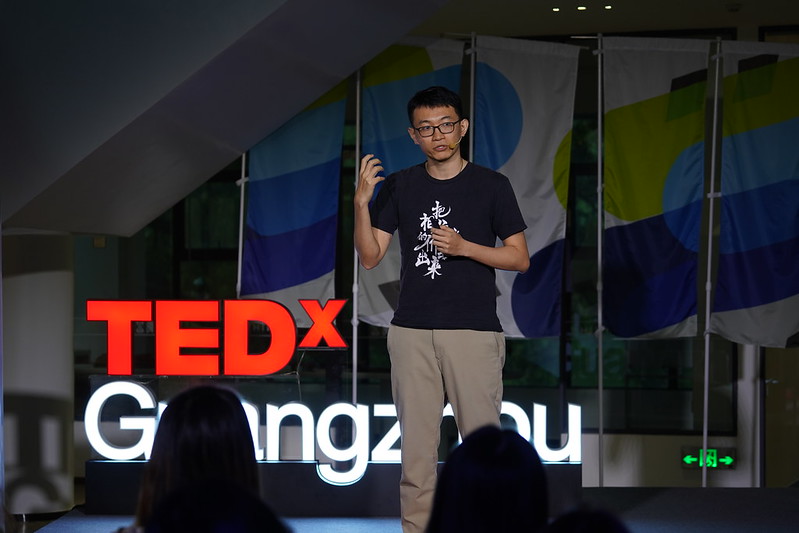
为什么我们脑海中的形象值得被擦亮?
陈志君
每天,我们都在接收关于他人和事物的“形象”——有些是新鲜的,有些早已在我们心中扎根。这些“形象”可能默默地影响我们的判断、选择与情绪,甚至变成我们下意识的反应。那么,我们是否能识别出这些潜在印象?它们是否还有“松动”的可能?
在这场演讲中,协作者陈志君邀请我们重新看见那些被内化、甚至被定型的“他人形象”,并思考:我们是否可以打磨它们、更新它们,让它们重新具有流动性和真实感。
陈志君投身公益十余年,是一位教育戏剧的倡导者,也是一位经验丰富的“协作者”——专注于搭建社会不同人群之间的理解桥梁。在社群讨论中,他常常扮演关键的支持者角色:在分歧中促成理解,在停滞中推动进展。
他相信,协作不是强加想法,而是一种基于信任的共同探索;不是掌控对话,而是创造空间,让每个人都能被听见、被尊重。“就算有人拉黑我,我也不会拉黑他。我始终好奇:他是怎么想的?有没有我们还没聊过的可能?”
Why Is It Key to Refresh Images in Our Mind
Stanley Chen
Every day, we’re surrounded by images—of people, events, and ideas. Some we encounter in the moment; others have long been embedded in our minds. But how do these internalized images shape what we say, how we act, or how we feel? Could it be that we’re responding to the world based on outdated perceptions we’ve never questioned?
In this talk, facilitator Chen Zhijun challenges us to look inward—to revisit the mental images we carry and ask: can we soften them, revise them, make them more real? He believes that only by refreshing these images from time to time can we remain open, empathetic, and fully present in the world.
Zhijun has spent over ten years in the nonprofit world. He’s an advocate for educational theatre and a seasoned facilitator who helps bridge understanding across diverse social groups. In group settings, he plays a quiet but powerful role: easing tensions, moving conversations forward, and helping people find common ground.
To him, collaboration isn’t about control—it’s about co-learning. It’s about trusting a process that allows everyone to be seen and heard. As he puts it, “Even if someone blocks me, I won’t block them back. I’ll still want to talk. I’m just that curious about how they really see the world.”
 TEDxGuangzhou (TEDxXiguan) 2014-2023
留下评论