
数字时代如何重新定义“落伍者”?
章玉萍
在数字生活高速推进的今天,我们是否默认了“每个人都必须接入数字世界”?如果有人不愿意,或无法进入,会怎样?
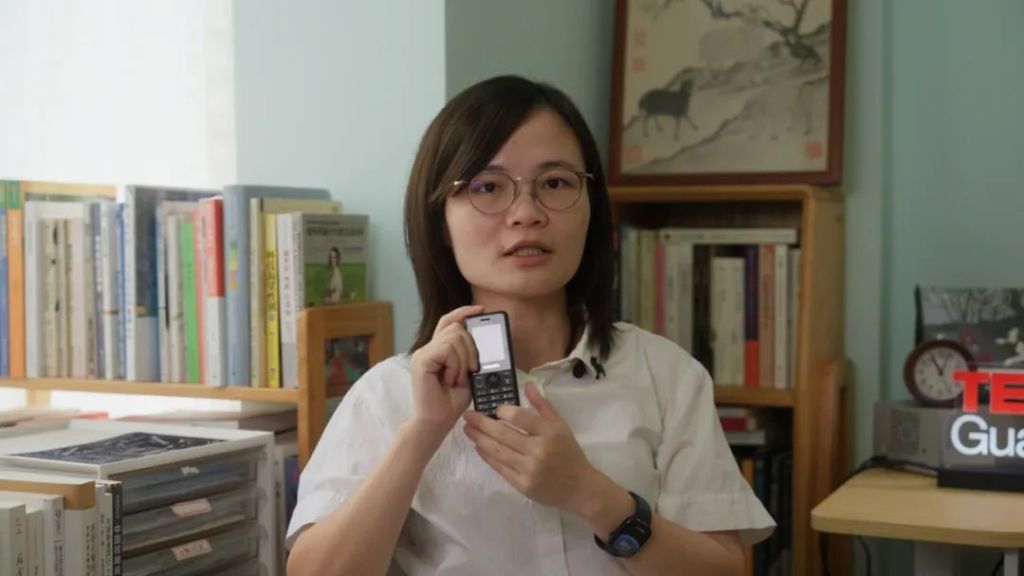
章玉萍从亲身照顾患认知症母亲的经历出发,提出一个耐人寻味的问题:当我们强调“数字融合”时,是否忽视了某些无法适应,或主动选择保留距离的人群?她称这类人是“数字游牧民”,提醒我们:技术不能是唯一的答案。我们更需要去创造和保留多样的媒介空间,让所有人都有选择如何生活的权利。在这场演讲中,她呼吁我们重新思考:技术究竟该如何服务于人,而非反过来让人去适应它。
章玉萍是广州大学新闻与传播学院副教授,香港中文大学传播学博士。她多年来关注中国“信息中下阶层”——也就是在数字化进程中被边缘化的群体。她的研究对象包括残障人士、流动人口、下岗工人等,在这些“看不见的人”身上,她看到了主流科技叙事之外的另一种现实。也是在陪伴母亲的过程中,她感受到数字鸿沟带来的真实阻隔,也由此思考:除了“全员数字化”,我们是否还有别的选择?
Redefining “Laggards” in the Digital Age
Yuping Zhang
In this fast-moving digital age, is it fair—or even realistic—to expect everyone to keep up?
Yuping Zhang, a communication researcher, shares a deeply personal story of caring for her mother with cognitive decline, and how it led her to see the digital world differently. She introduces the idea of “digital nomads”: those who are left out of digital life, either by circumstance or by choice. Her talk challenges the push for total digital inclusion and asks instead—how can we create spaces that allow for different relationships with technology? Shouldn’t innovation be about meeting people’s needs, not making people conform?
Yuping Zhang is an Associate Professor at Guangzhou University and holds a PhD in Communication from the Chinese University of Hong Kong. Her research focuses on the “information have-less” in China’s digital landscape—those left behind or sidelined by rapid technological progress. From people with disabilities to displaced workers, her work brings visibility to the ones often forgotten in digital policy. Inspired by her mother’s experience, she urges us to rethink inclusion: in a world rushing forward, how do we make sure no one gets left behind simply because they live differently?
 TEDxGuangzhou (TEDxXiguan) 2014-2023
留下评论