What does Mars exploration mean to our everyday life?
First published 16 September 2019
"Two things fill me with constantly increasing admiration and awe, the longer and more earnestly I reflect on them: the starry heavens without and the moral law within."
In 1788, when the German philosopher Immanuel Kant wrote this sentence, he thought rationality is bottomless and the" boundless starry sky overhead". He never thought scientists will land and exploit one of those planets, triggered debates among businessmen about moving to outer space and Mars exploitation.
On 29th August 2019, at the opening ceremony of the International Artificial Intelligence Conference in Shanghai, Elon Musk had a clash on Mars exploitation with Jack Ma, the co-chairman of the UN Secretary-General’s High-level Panel on Digital Cooperation.
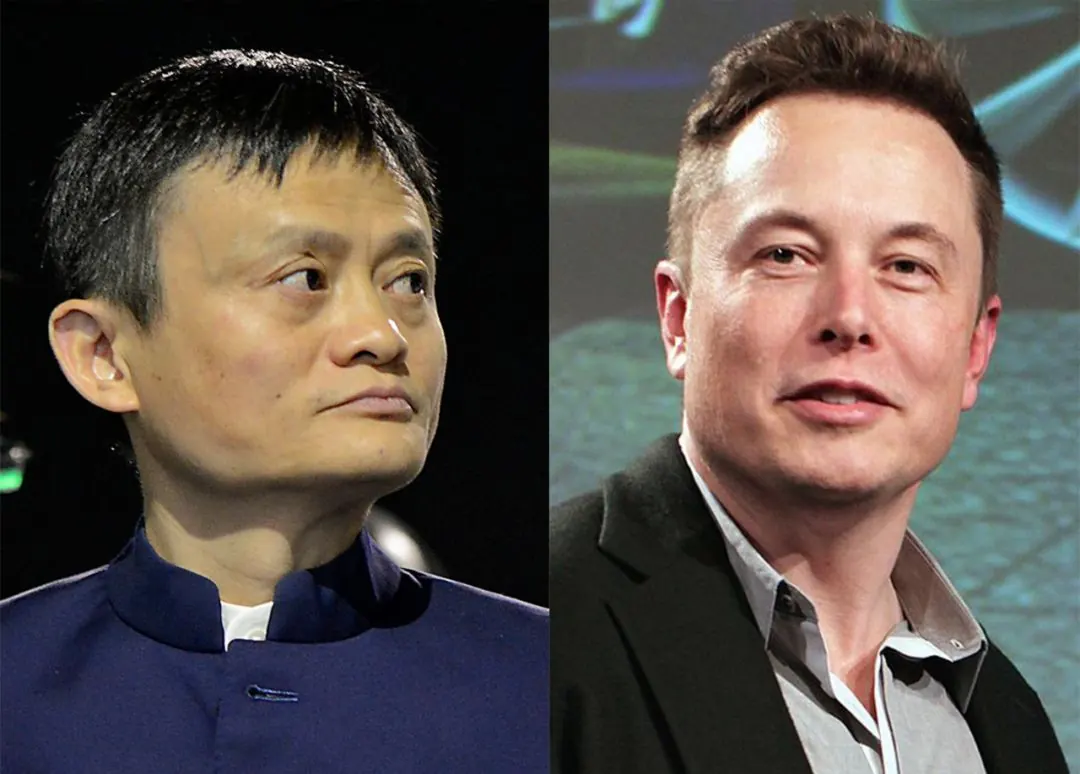
For Jack Ma, the idea of sending 1 million people to Mars is excellent, but the sustainable development of the earth, with more than 7 billion inhabitants, deserves more concern.
Musk instead made a very direct point that we need to act on the Mission to Mars. There are possibilities that things may be beyond our control someday, external or internal reasons may destroy our civilization, humans may be forced to live in other planets. In terms of resources, using about up to 1% resources on earth to realize living in multiple planets seems to be a wise investment for the future.
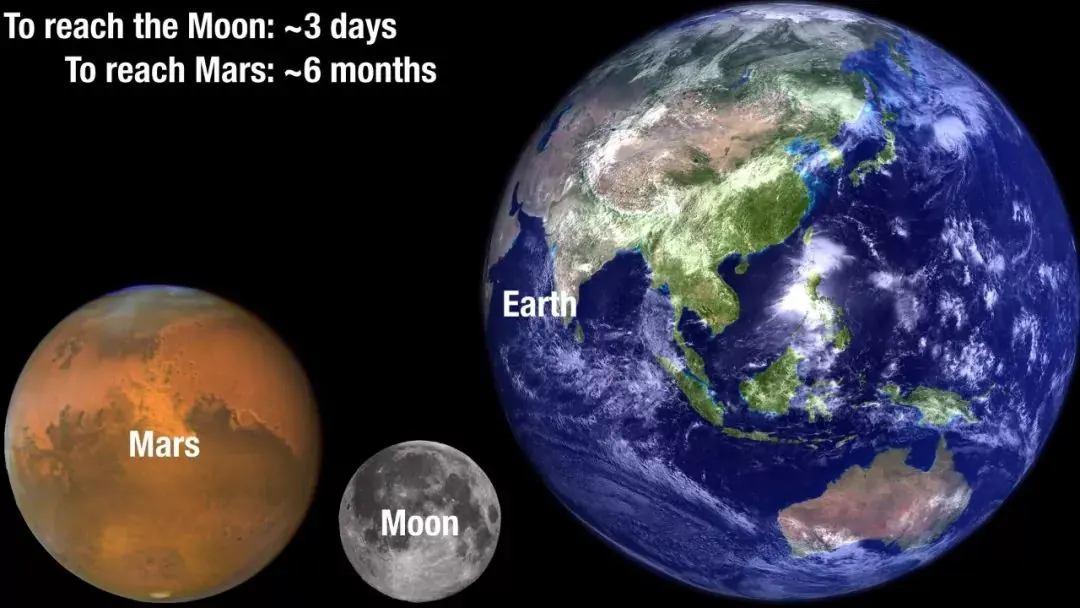
These are the opinions of two whimsical businessmen. But for the public, the topic itself has some distance, not to mention the physical distance we have with Mars. To reach the Moon, it only takes three days, but to reach Mars it takes around six months.
This year marks the 50th-anniversary of the Apollo Moon landing. Technology and commerce have been brought into a new fast track as the mission succeeded: all the wireless and satellite communications we use in our daily life were developed to conquer the moon. The huge success Jack Ma achieved in internet industry partly rely on the development of satellite communications infrastructure.
At the TEDxXiguan 2019 Conference, Denis Bastieri, the Physics and Astronomy Professor of the University of Padova, and a distinguished professor of "the National Thousand Talents Program" in the Astrophysics center in Guangzhou University has a unique perspective about Mars exploration, his researches on mars-related technologies are more relevant to human beings.
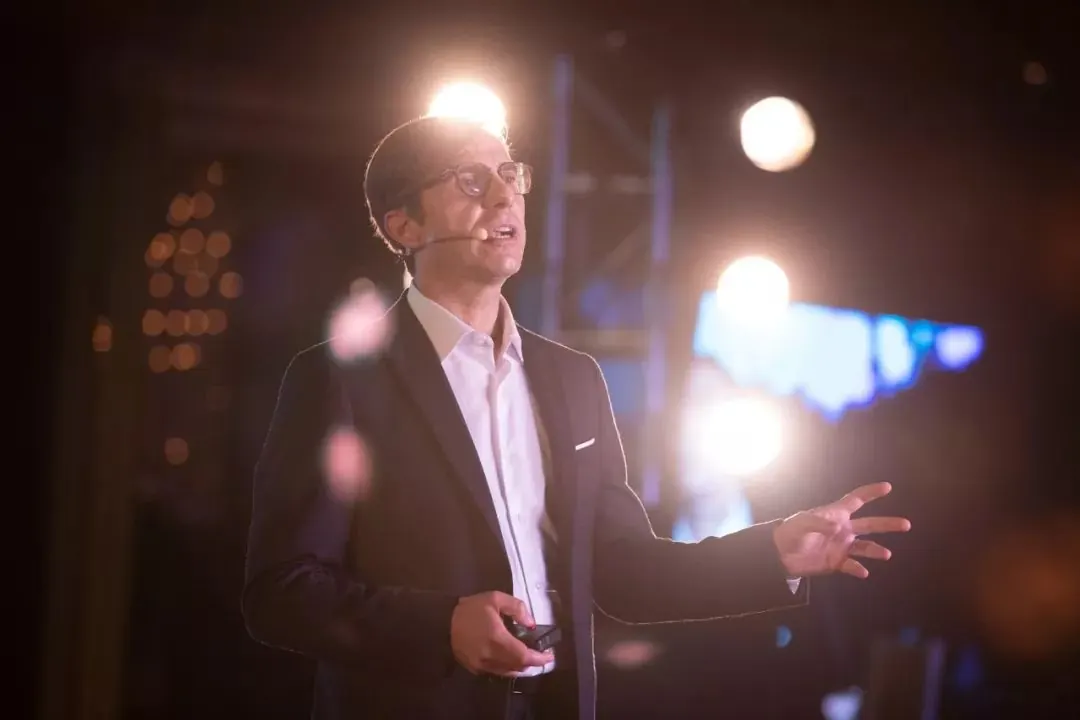
According to Denis, the travel to Mars is long and dangerous. It takes 6 months and the particles of Solar wind could damage DNA. But why should we go there?
Firstly, there is a visible return on investment (ROI). A human mission to Mars costs more or less 1 trillion US dollars, but the precious metals in it could be worth about 13 trillion US dollars, roughly equivalent to the GDP of whole China in 2018.
Secondly, this is not just about money, It means that the costs for raw materials to advance technologies will reduce. When Iridium and other precious metals become available, technology is foreseen to have a giant leap forward. This is because the abundance of those metals will reduce the cost to produce the current technology, that in its turn will enable the next step.
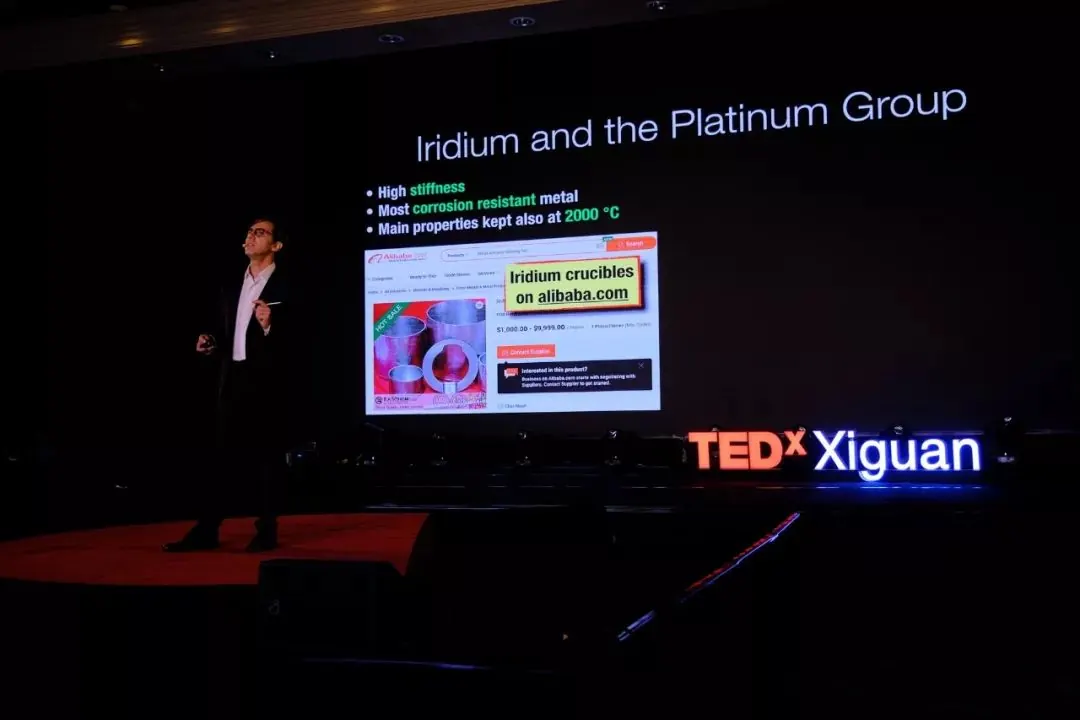
Iridium, as a part of Platinum group, has the capability in maintaining its shape and its mechanical properties even at 2000 degrees Celcius whereas most other metals are already melted. Its high stiffness makes it the ideal material to build crucibles, where we can meet and give shape to single crystals commonly used in cutting-edge technologies and improve our everyday life: mobile and satellite communication, high definition TV screens, laser beams, X-ray scanners used in airport security and medical scanners.
Iridium availability is naturally related to frontier technologies. But Iridium and all metals of the Platinum Group are among the rarest elements on Earth crust. For this reason, it is a waste of resources to mine for them on plain Earth crust, so we can look at other places, for instance, Mars.
Investing in space mining sounds great but it's not without concerns. Vulnerability mostly lies in human beings going there. Space travel makes human beings sick. Zero or low gravity will damage muscles, bones, heart, and kidneys. But before sending humans to Mars, Denis believes that scientists will come up with solutions for most of these issues, so the big money pumped into the mission to Mars will have spinoff technologies that will improve the conditions of humans on the Earth, in particular, the effects of low gravity that have to be dealt with are similar to the effects of aging.
For the last 25 years, Professor Bastieri has been building and using instrumentations capable of detecting high-energy particles in space. These particles damage DNA and may lead to cancer. As a scientist, Denis' contribution to the space race is to ensure the safety of astronauts in space by modeling the fluxes of these particles and mitigating the effects of the particles on astronauts.
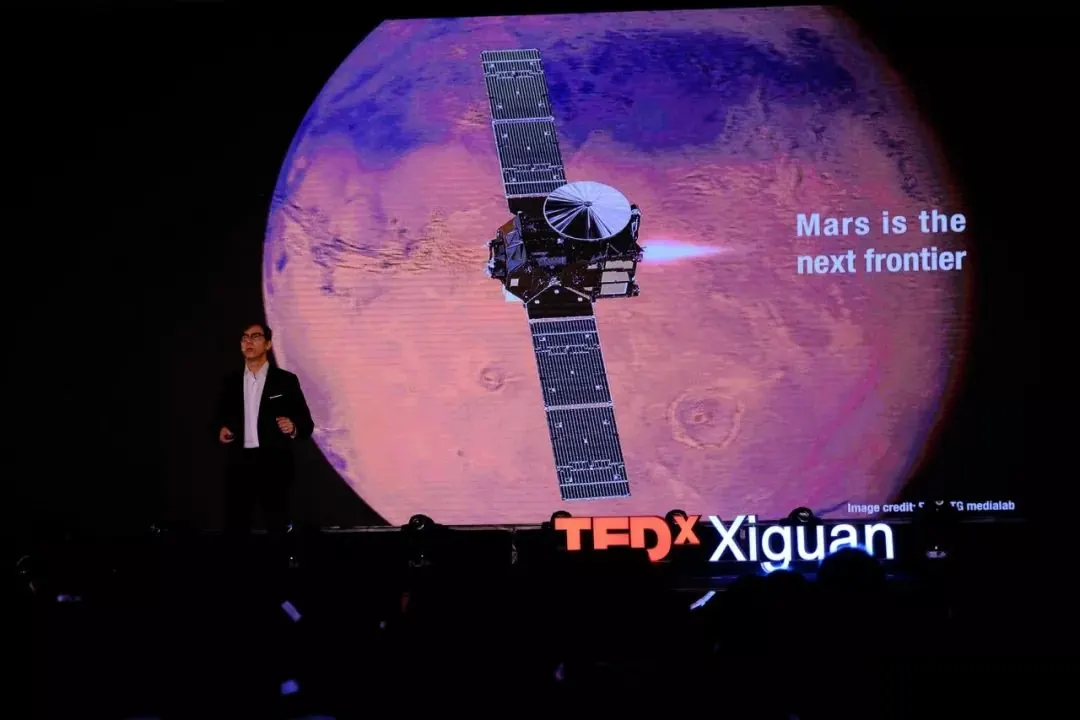
During his talk, Mars exploration is a significant scientific expedition, it’s like the Apollo missions on the Moon 50 years ago. All these efforts are not only enabling rich people to mine on Mars and earn profits but also to break through existing scientific and technological problems on the way to Mars thus ultimately benefit human beings on earth.
At TEDxXiguan 2019 annual conference, some participant said that for the first time she recognized that there was a close connection between Mars exploration and her daily life, thanks to Denis's speech.
This was a question we asked within our curation team -- are we going to invite a scientist to talk about astrophysics that potentially no one understands?
Yes, some things may seem far fetched from our daily lives, but we are all involved, benefited, or affected. Through an 18-minute talk in TEDxXiguan 2019 conference Action / Intention , we hope to present actions triggered changes in a way that everyone can understand.
Written by Joan Cheng
Translated by Echo Chang
Review by Dora Weng