Speaker Lineup Pt.1 | TEDxGuangzhou 2020
First published 24 October 2020
We know you have been waiting!
Here's the first batch of TEDxGuangzhou 2020 speakers. From personal to societal, we will explore complexity in the multi-verse.

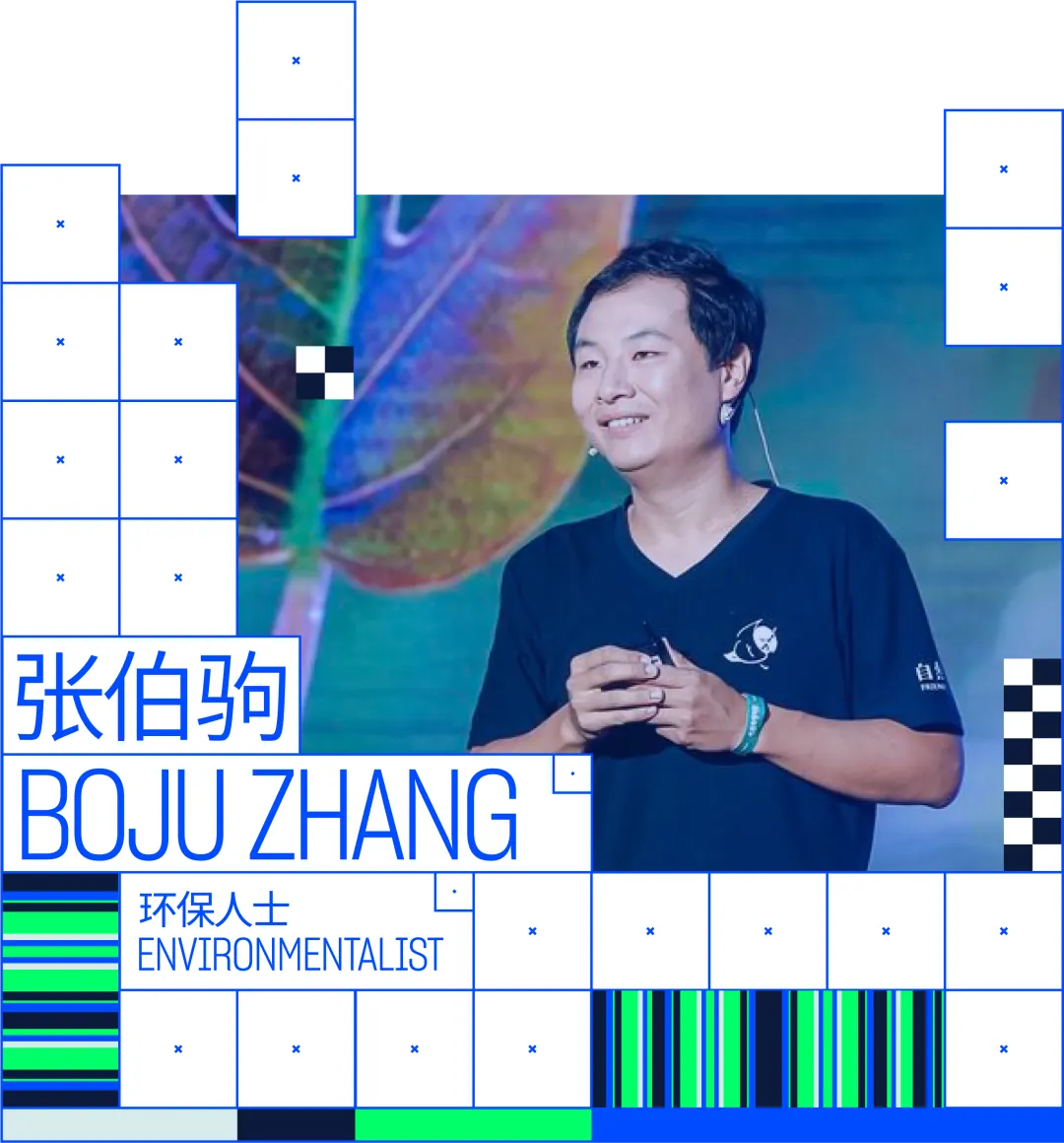
What would pop into your head when seeing a broken glass bottle in a garbage dump?
Zhang said, for those working in the environmental protection and public welfare sector, the first thought popping into their heads is whether the recyclers' hands will be cut. Secondly, why did the broken glass bottles ended up in the trash instead of being recycled? Thirdly, why haven't the "Compulsory Recycling Catalog" and "Resource Recovering List" as enacted in the laws effectively enforced? because if efforced, things like glass bottles that are easy to recycle will not appear in the garbage dump. Moreover, there will be a resource recovery fund, even if it is market-oriented, there can be ways to promote it through the market.
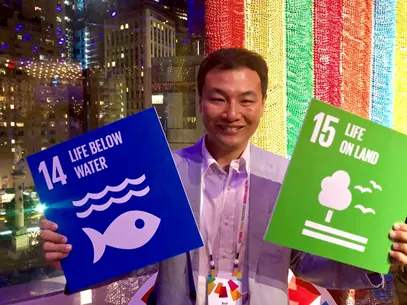
The aspect-oriented (identify the commonality of problems and propose a better solution) and result-oriented way of thinking adopted by zhang has always been his approach at work, and has enabled him to see "complexity" in nature.
Over the years, he has been actively promoting environmental protection policy and legislation advocacy, public participation, urban waste management, good governance pratice of nature reserves, as well as other fields and issues. Whilst serving as the general director of Friends of Nature, he also founded the China Zero Waste Alliance, and worked as a youth consultant for the United Nations Environment Programme (UNEP).
In this conference, Zhang had chosen an aspect from the kaleidoscope-like nature, and would discuss with you his unique insights on animal protection, the differences between "ugly" animals and "good-looking" and its impact on their survival. He is firmly convinced that "public-spirited people don't need to make everyone see themselves as heroes. It is more desirable that Everyone act together."

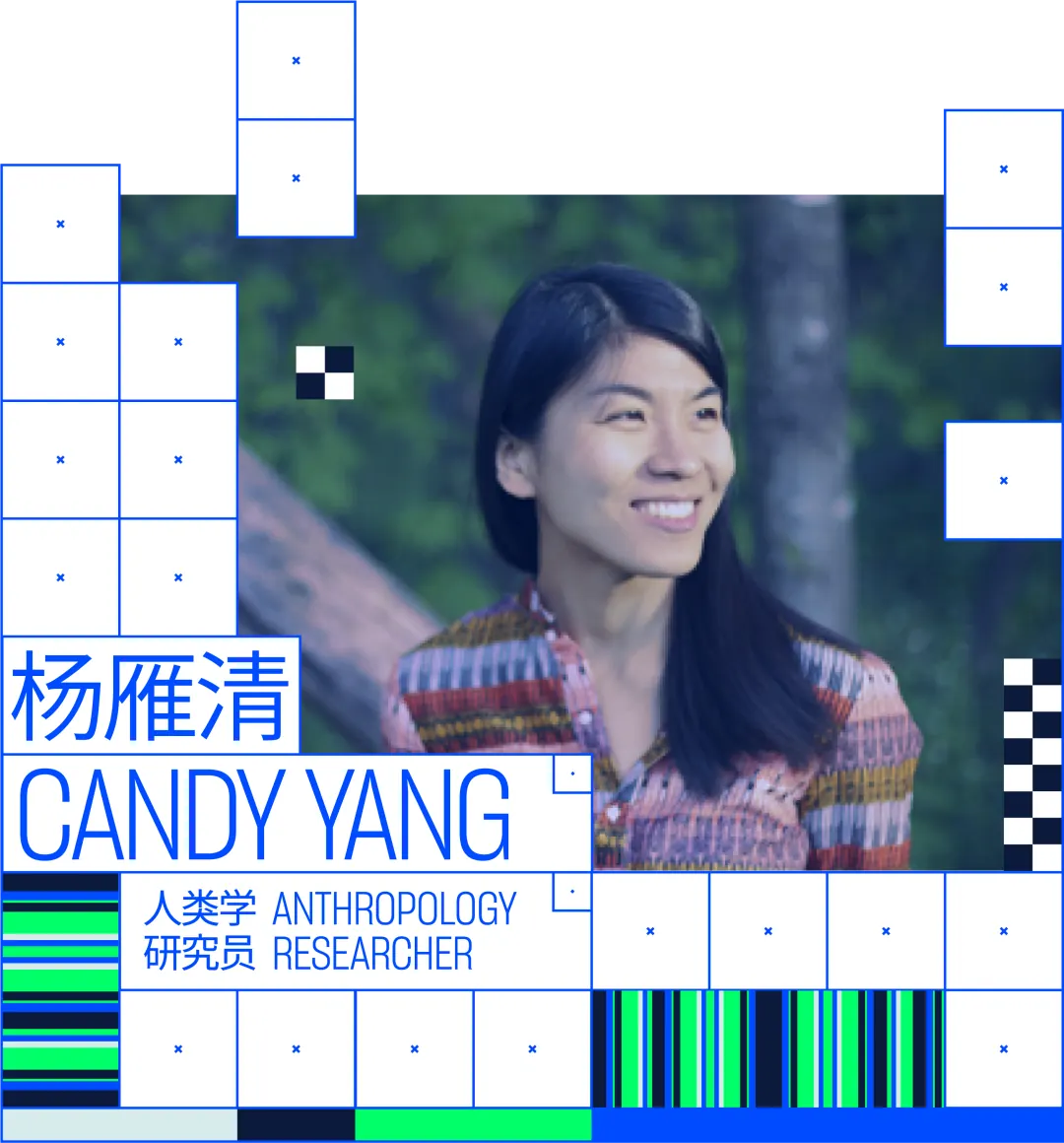
How interesting can humans be? Thinking and practicing on this issue constitutes Candy's life.
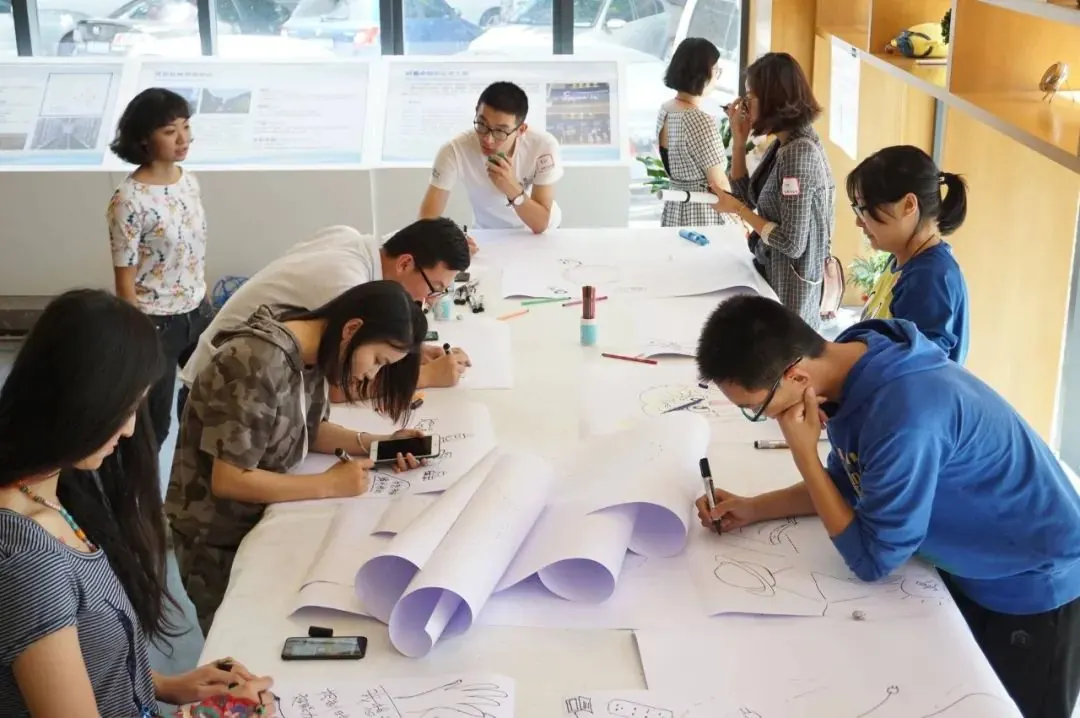
As an active cultural connector and community creator, Candy is good at observing the day-to-day with an anthropological eye. Encouraging participants in the workshop to draw the images of animals they feel representative of themself, mobilizing friends to look for objects with the shape of "love" in their life oneday for a DIY wedding, and collaging an "autumn image" with takeout bags and fallen leaves collected with her daughter: these are some of the joys Candy finds and creates in life. In her opinion, "Maybe the fun I have in my life orignate from my attitude that life is fun, and everyone is fun."
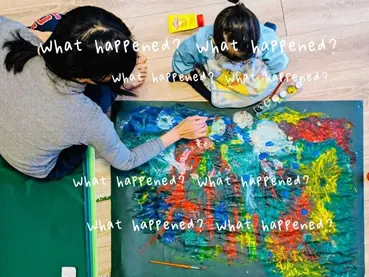
Candy calls herself an anthropology researcher dedicated to becoming an artist of the everyday life. She has transformed her exploration on the "interesting" into field of her own research. For more than 12 years, she has initiated hundreds of youth sharing conferences, various co-creation workshops on different themes as well as community art projects, such as "Anthropology of Sofas in Hutongs", "Open Zoo", and "Friends' Living Room Art Gallery" etc. She also provided researches and consultations for domestic and foreign enterprises and innovation organizations.
In the process, Candy said that she's grateful to her research work which created lots of opportunities for her to "walk a mile in others' shoes", to observe different phenomena and behaviors, and to understand them in different contexts. And all this, she is willing to share it with you in this conference.

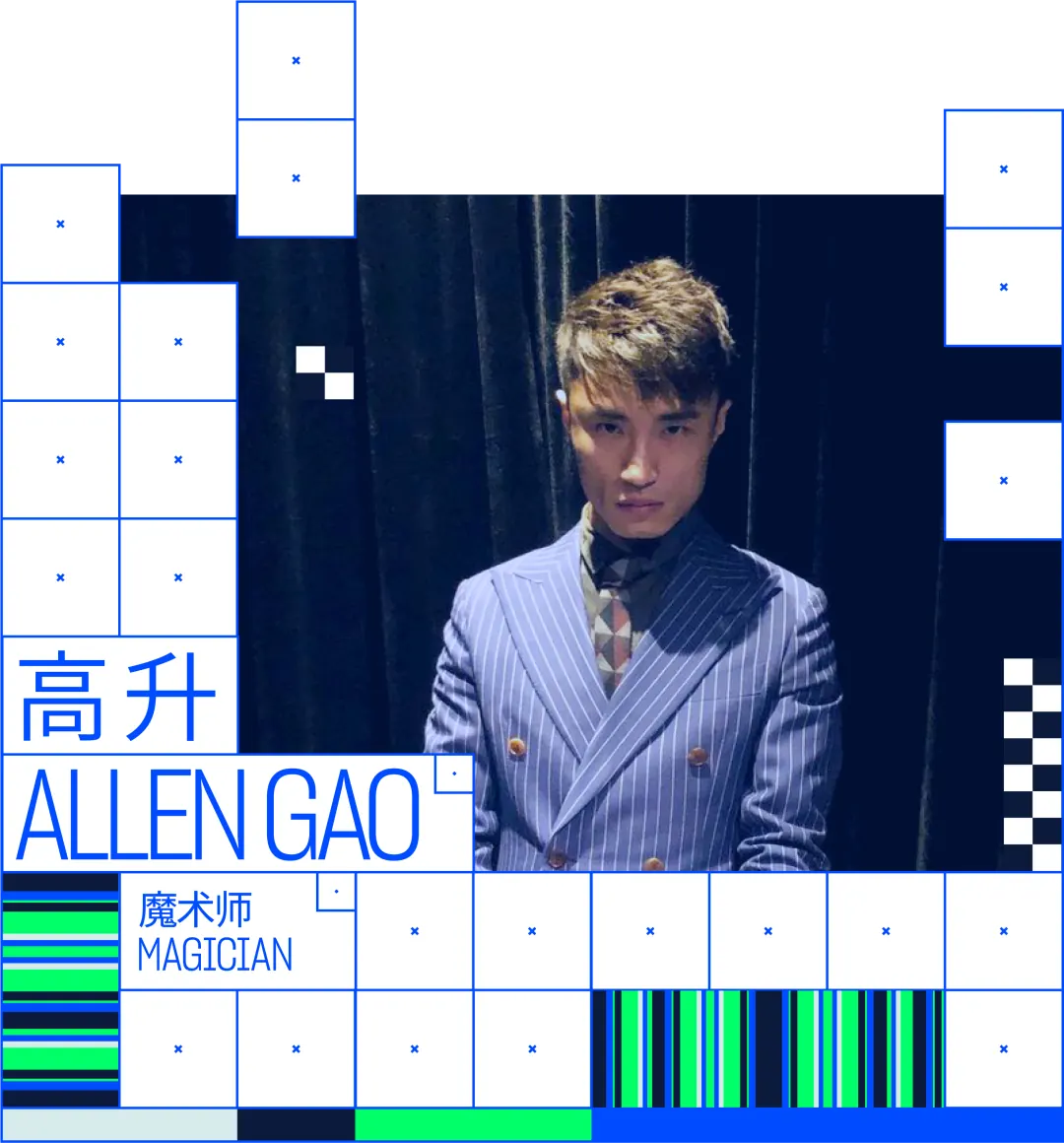
People are usually curious about what kind of magical "parts" exist in the magician's head in order to create so many wonderful and thought-provoking magic.
We often say that art comes from life. And the same goes for magic inspiration. Faced with the busy work of every day, the "reality" is not necessarily toleratable to everyone. However, in the world of magic the tiniest change to the "reality", even momentarily, can inspire you to realize something new in real life.
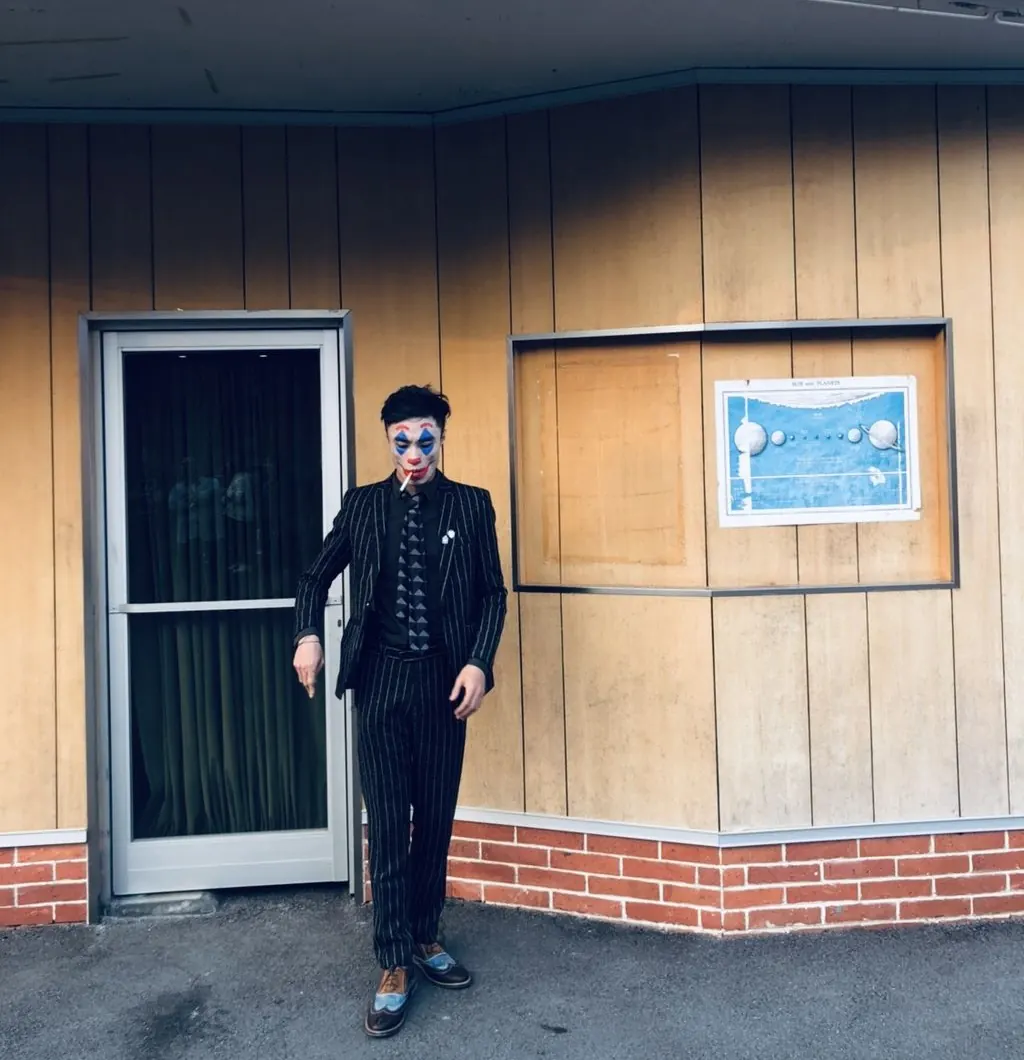
Maybe this is the wonder of magic.

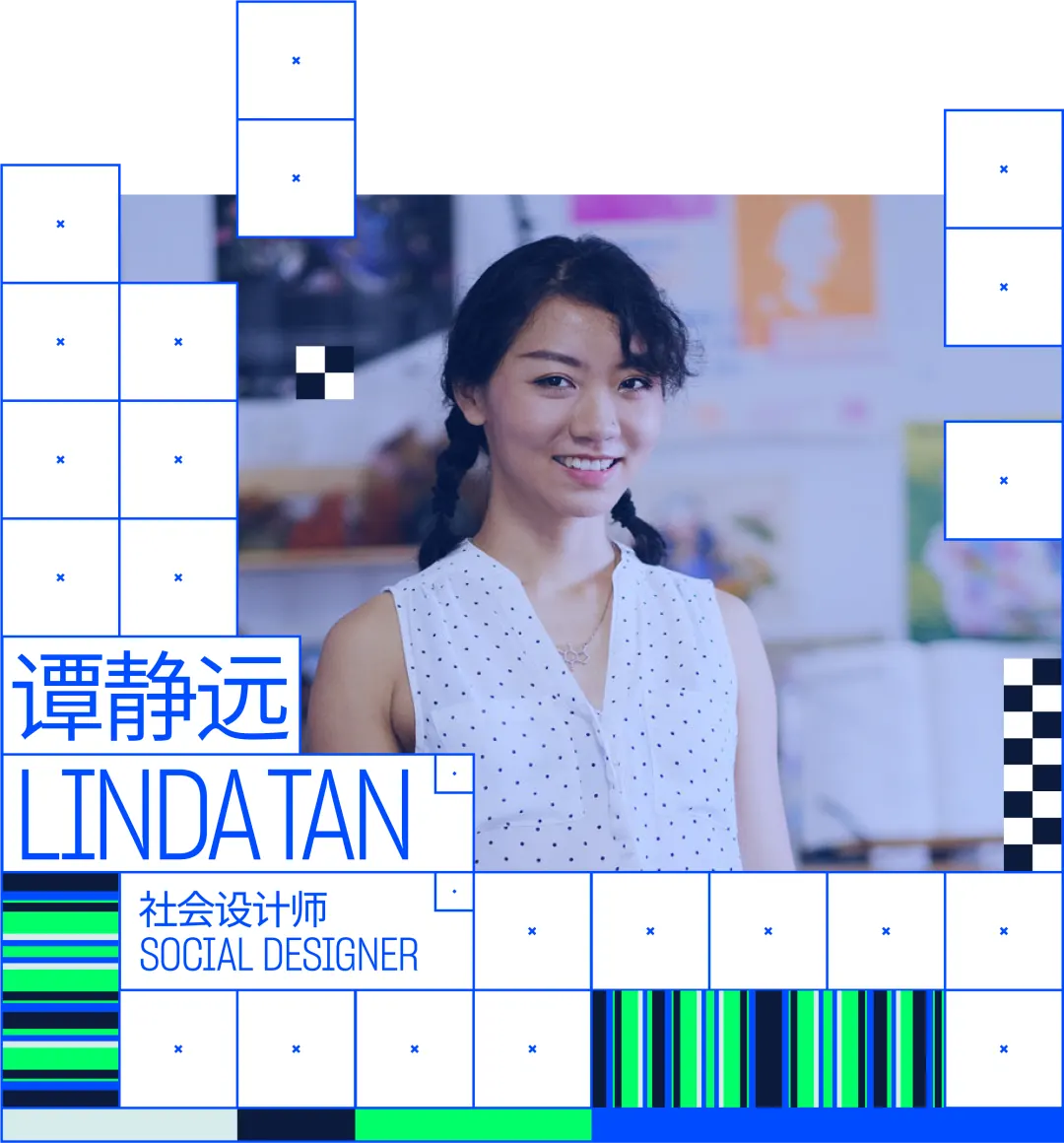
In Linda Tan's own words, she is the carbon based organism that was once a researcher for Molecular Biology, then sucked away from her labartory into pubilc welfare, and later grew into the social designer she is today. In the past, as a partner of Rich Harmony, she shared her experience of using 36 strategies to deal with pests in the rice field at the TEDxXiguan 2016 conference. Now, as the partner of the design consultancy "Make-a-Point", she is trying to use "common-good design" to solve public and commercial problems.
Linda used an example from her past work to describe the concepet of "complexity" in her mind: if the farmers have free organic fertilizer yet still choose to use chemeical fertililser, what then would be the reason behind this?
Rich Harmony once provided farmers with more expensive, organic fertilizer for free, in other to help them to find a more eco-friendly way to grow rice. But after a while, she discovered that chemical fertilizers had once again become the farmers' first choice. According to research, the reason why organic fertilizer is abondoned is not because of poor fertility or higher cost, but rather the rice field is too far away from the farmer’s residence, and the average age of the farmer tend toward to be the elders. Therefore, heavy organic fertilizer naturally become less favorable.
"In order to choose this organic fertilizer, we considered a lot of issues about fertility, environmental impact, and cost. But we ignored the fact that it's hard for elder farmers to walk with siginificant weight on mountainous terrain. This is the complexity as presented in society and what we need to confront when doing social design. "
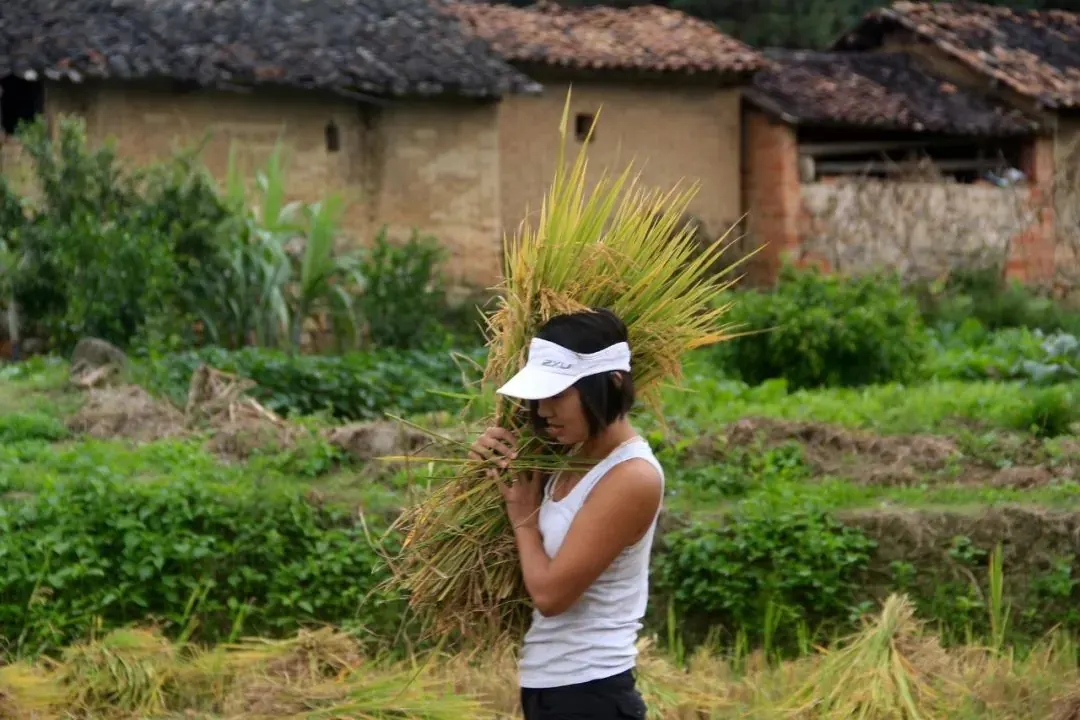
This time, as a social designer, Linda Tan will talk about the complexity she perceives in her social design work. To answer in a way you may never have heard before, why is our life more and more complicated and more difficult, and what can we do about it ?

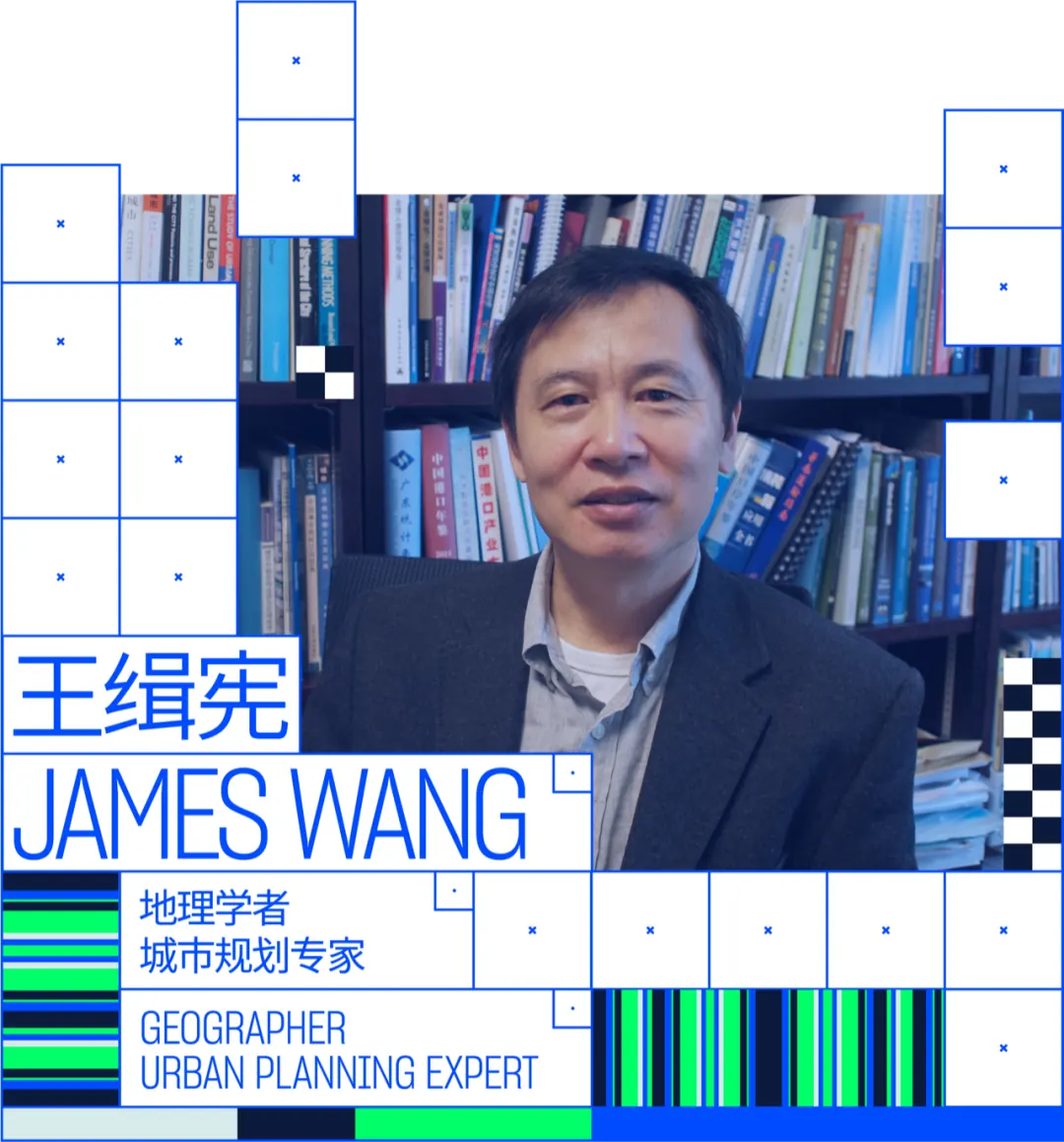
Because of the pandamic, Prof. Wang, who's based in Hong Kong, will not be able to attend in person. He will be giving his talk via video, and attend the conference virtually.
Imagine what will happen if you live in the forest for a month?
Perhaps in the first week, you may think the world is so calm and beautiful. The second, you begin to return to a more odinary state and start to have an inner conversation. The third, you can't help but to cry out "I am so bored and lonely!".
At the end of the last century, for the first time, more than half of mankind lived in cities. In China, the process of urbanization will become one of the most important social changes this century: about 300 million people living in the rural area will become urban residents by 2035. For many people, city life has become irresistable, addictive, even difficult to be avoided from.
Meanwhile, many things are happening quietly in the city you live in. You may choose to go to Guangzhou South Railway Station to take a high-speed rail out of habit, but have you ever considered why should the high-speed rail be placed in the suburbs? Is it possible for high-speed rail to enter the city? In TV dramas, the CCTV footage of an office building can be easily checked by the police. However, in real life, in a mixed used property, what kind of space is legally defined as publicc space, and what isn't? What is the space, without our consent, cannot legally obtain our facial data. And to those of you that lives or works in that building, can you participate in the formulation of relevant legislation and regulation?
In the eyes of Dr. Wang Ji Xian, the study of city consists of the dual process of looking at the city macroscopically, from the viewpoints such as "harbor city transformation" and "transportation hub geography", but also microscopically with attention to minute details. The quality governance of the city itself is a complicated system, the changes that took place in the city quitely around you are in fact closely related to you. Our ways of managing and handling the urbanisation process of the city is of an even more challenging quest.

With the rise of the Great Bay Area, the Beijing-Tianjin-Hebei area, Yangtze River Delta as well as other Chinese urban agglomerations, and as urban life became an inseparable part of our life, how should we understand the complexity associated with the urbanisation process? and how should we handle and manage this process well? How should we, as an ordinary resident of the city, contribute to this great developmental process? These are some of the questions Dr. Wang Ji Xian, Research Director of Belt & Road Hong Kong Centre and Bay Area Hong Kong Centre, will address in this talk.
To be continued……
Author:Laraine Liang,Victon Lau,Rain Huang(TEDxGuangzhou Content Team)
Editor:Jimmy Tan
Translate:Jingxian Chen
English proofread:Liang Wu, Jimmy Tan
Typeset:Phoebe Zhai
Proofread:Laraine Liang,Jimmy Tan