Speaker Lineup Pt.3 | TEDxGuangzhou 2020
First published 7 November 2020

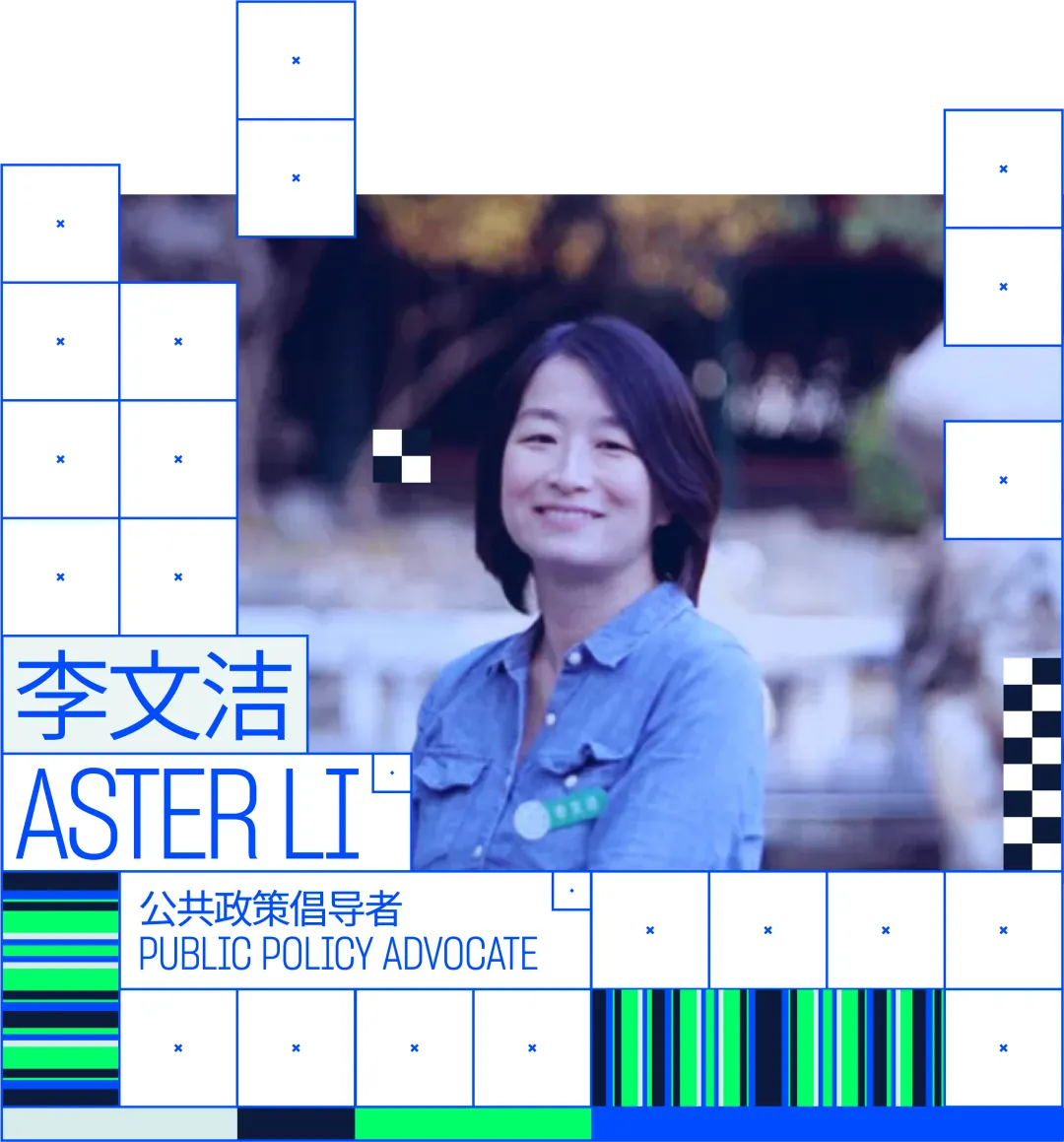
Aster Li grew up under the influence of her father’s reverence to law and aspirations towards a harmonious society, Aster has long been yearning for public order.
As the director general of CECA, Aster has led a team to improve projects for environmental benefits. Through environmental assessment research, urban planning and laws and regulations, they endeavored to protect coastal wetlands and habitats of endangered species such as mangroves and Chinese white dolphins.
Among all the facets, public participation excites Aster the most: public participation involves negotiation between governments and the public on public affairs. Through the rules set by law, everyone can discuss social policy equally, scientifically and rationally. Moreover, the in-depth studies on the legal issues behind individual cases help advocate early policy intervention, so that problems can be nipped in the bud.
However, such benign interaction is not an ordinary social norm. For example, China's environmental protection law gives a legitimate and proper opportunity for the public to participate. The discussions could have been easier, but due to collective distrust and incomprehension, and government's negligence of law enforcement, this system fails to resolve social contradictions.
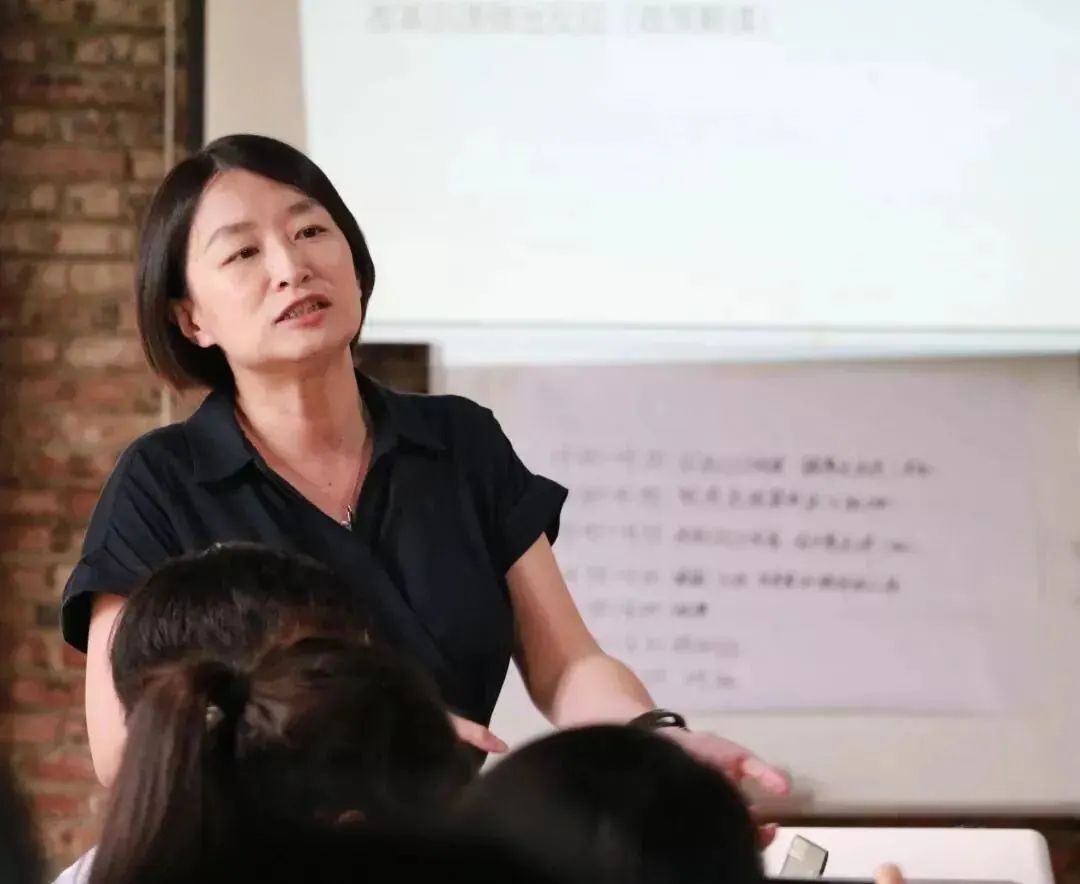
Recently, the demolition and reallocation project in Dongshankou evoked a fierce reaction among the people of Guangzhou. However, it is already too late. The public may have already missed the best timing to voice out their opinions. This case reveals the shortcomings of the public participation system. The government policy advocacy still has a long way to go.
"But policy advocate is still worth proceeding. I want to start from Guangzhou and gradually make a change to the entire country. " Because Aster believes that as long as there are enough people who are willing to understand the public participation system, the law can become a contract not only between people, but between people and the nature.

Do you remember the once-in-a-century rainstorm that happened in Guangzhou in the early morning of May 22, 2020? The rainstorm resulted in the submergence of Line 13, 1.7m water-logging. 14 thousand households were out of power supply. For many people who have lived in Guangzhou for many years, they may be accustomed to the heavy summer rain taking place almost yearly in May or June. However, heavy rain of such scale was rare.
Our ecological environment is facing unprecedented challenges. Frequent rainstorm is not just a simple change in climate.
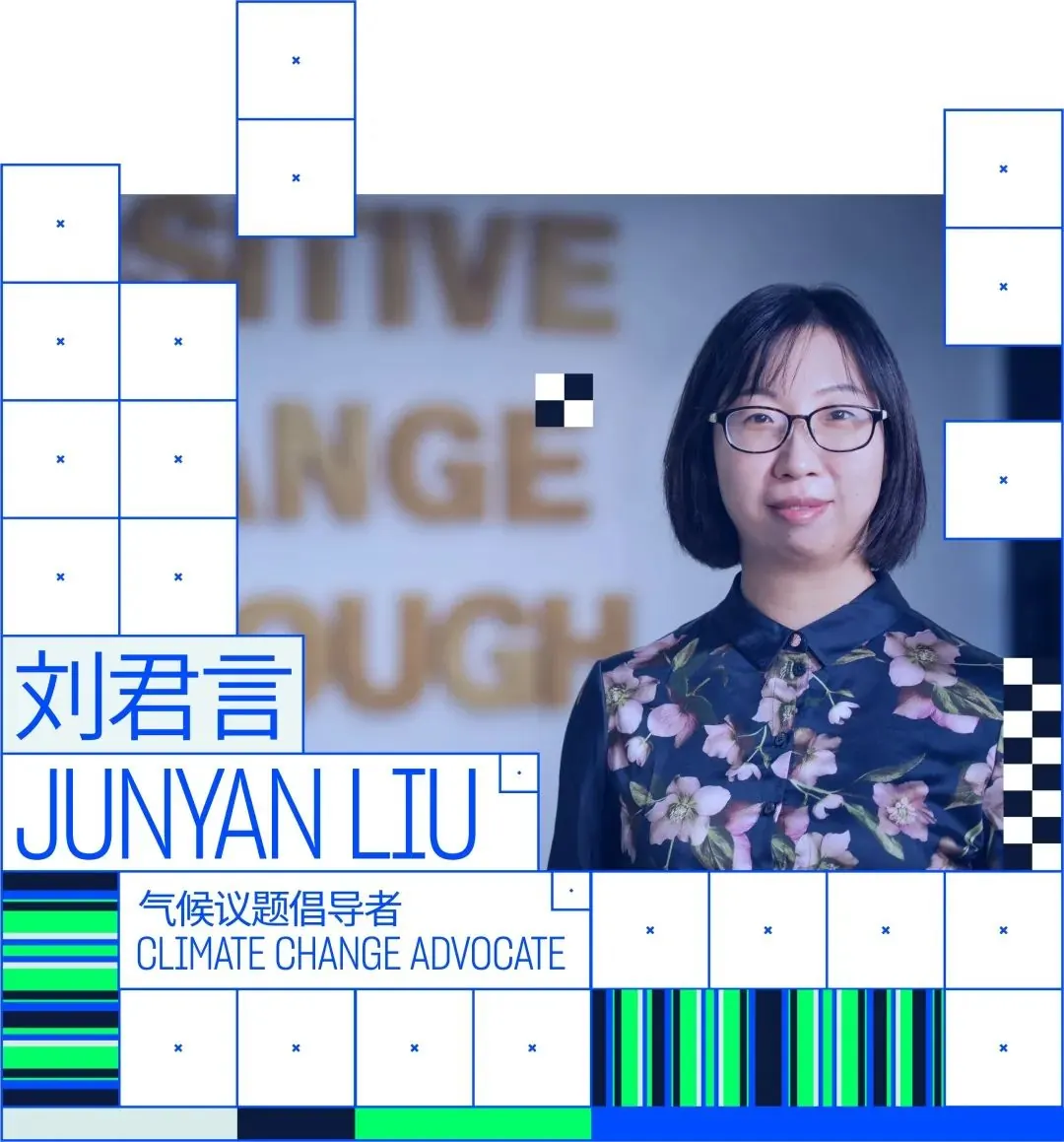
Junyan Liu is a Doctor of Sustainable Development Economics, and the current manager of the Greenpeace Climate Risk Project. Previously a research student in feminism and then a PhD in Economics, she has always been concerned about equity and development. For years of continuous concentration on climate issues, Dr Liu realised that in China our perception about climate change still lingers on a linear level and the action is still dominated by traditional idea such as, "environmental protection equates to turning off lights and closing the tap" .
In reality, the phenomenon of climate change has brought a series of complex chain reaction in the global ecosystem. In Dr. Liu's research, she had found that in addition to creation of extreme weather, frequent droughts and floods, climate change is broadening social inequality, exposing the already-vulnerables to even greater risks, while the economic and social inertia is exacerbating the impact of climate change. She is not satisfied to be merely a researcher and decides to participate more actively in the line of work in climate risk and energy transition, and become a climate change actor.
To understand the complexity behind the intricate connection between climate change and daily life in this conference, and join us to be a more rational actor.

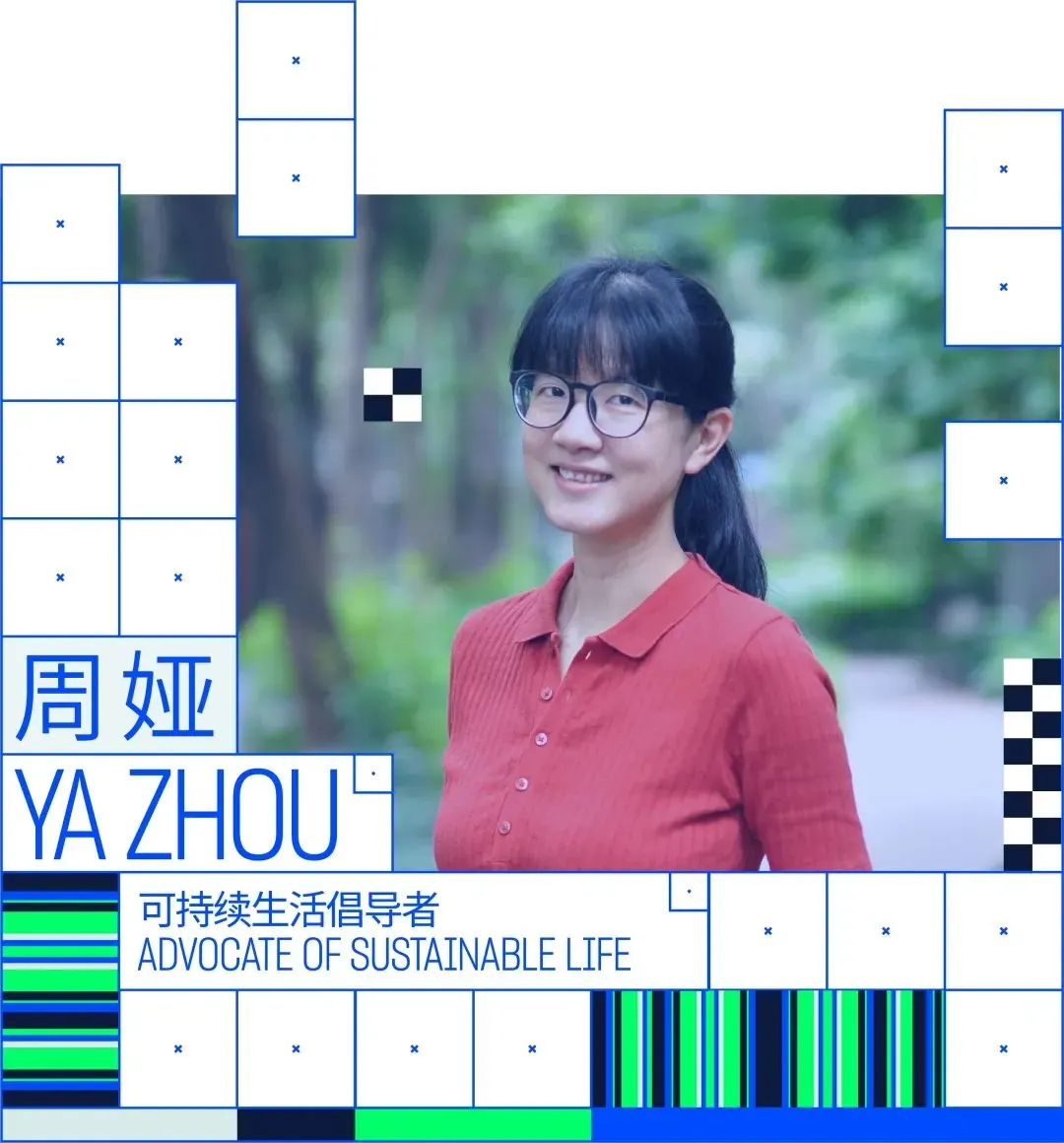
Eight years ago, Ya Zhou first learnt the term "new gastronomy" in a book club called Slow Food Movement. Since then, food means much more than just three meals.
"Once you become serious about food, you'll find that there's endless amount of work that can be done on food”.
She would visit Longdaowei, the largest organic open-air market in Guangzhou, to explore the best range of herbal tea, to observe the relationships around the neighbourhood, to chat with all kinds of different stall owners and street vendors and to learn how to make traditional Guangzhou delicacy at home. She would also make trips with friends to buy fresh food from local farmsteads along River Liuxi, to Sanshui for prime quality pork, just so she could find delicious and nutritious ingredients.
"People often say you are what you eat. Food helps us to define who we are, and through it we can see the deepest connection between man and nature, as well as the culture that stems out from it. "
Later on, Zhou went to England and studied in Schumacher College. She tried Chinese dumplings, Korean bibimbap, Burmese potato rice balls, Brazilian beans and Japanese Matcha black bean desserts and other cuisines in college's public kitchen. The kitchen had transformed into a creative education center, a space for mutual care, love and connection. Through every person, dish and ingredient, Zhou captures the glimpses of herself, other people and the lands beneath us. She said, "as long as we slow down to observe each detail in kitchens, life can be our teacher."
In the upcoming conference, Ya Zhou will start with the food we are most familiar with and utilise it to examine ourselves internally. Through the exploration, she will also unravel the economic relationship defined by food.

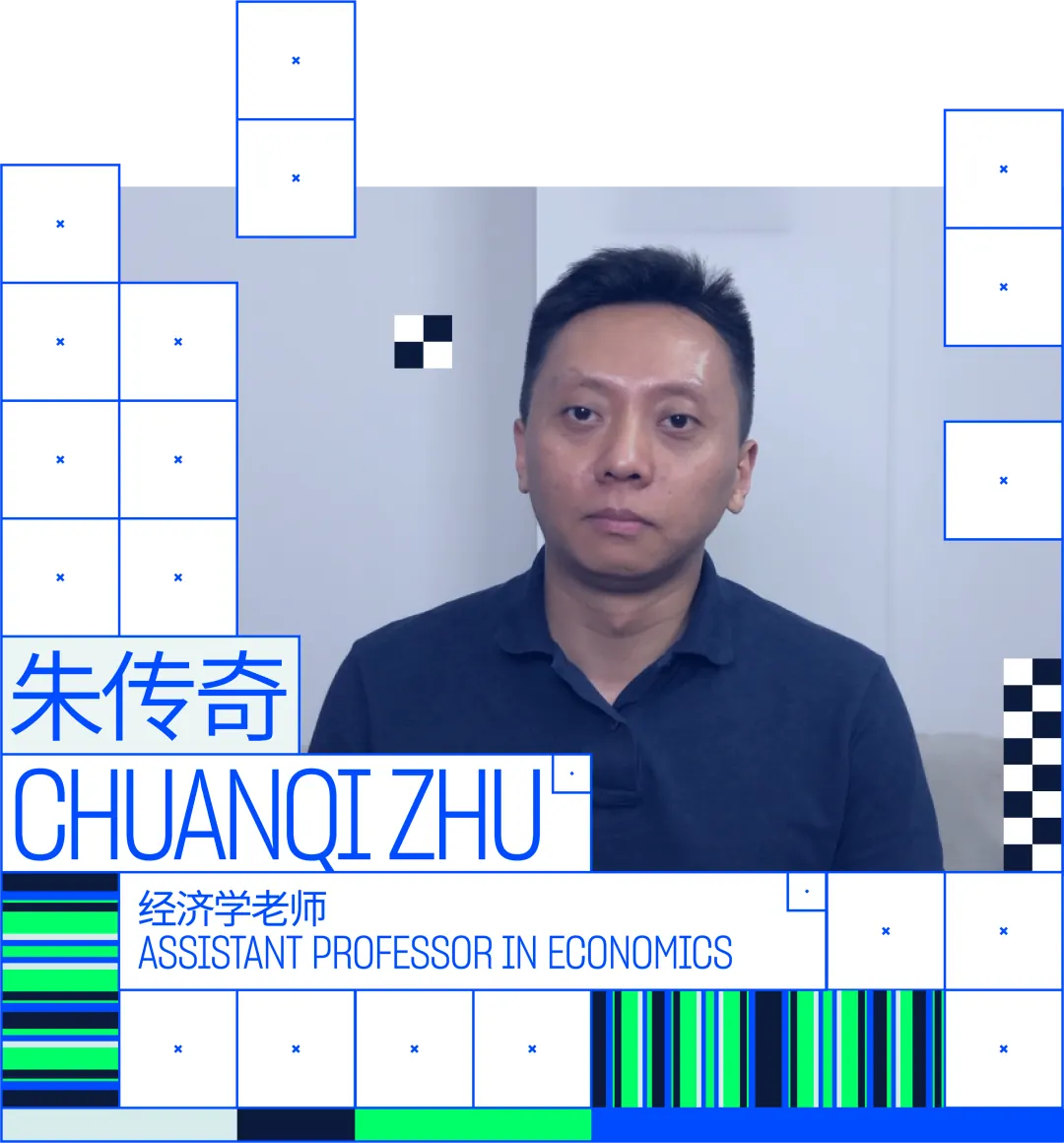
There is a question posted on Zhihu, "who are the good teachers at Sun Yat-sen University?" Chuanqi Zhu, who teaches macroeconomics at Lingnan College, is on the list. Characterized with dry humor and fancy ways of pushing students before exams, he is also famous for taking a professional, impartial attitude to students. And he never gives up on them.
Zhu believes that some basic economics concepts, such as GDP, inflation, and interest rate should be taught in high school, and these common sense should become general knowledge.
If so, consumers will be more rational when using credit cards or Ant Credit Pay or applying for housing loans. Familiarizing ourselves with basic economic concepts enables us to perceive the effects of national macro policies on our everyday lives, thus taking prompt and appropriate actions.
As there are too many motivational stories, Zhu choose to share the economic concepts that he think are important. He believe that knowing "what it is" should be more valuable than "what it is used for."
This time, I would like to share a crucial economic concept: inflation. Let's explore the mystery of the economics behind the skyrocketing pork price.


Welcome to Jazz Pie's world of jazz music!
The wonderful thing about music is that it can transcend race and language. With only notes and melodies, people can express their feelings and emotions. For the members of Jazzy Pie, music is the bridge linking them with the outside world. With the sound of music, let's begin this wonderful journey of jazz together.
Jazzy Pie is under "Fusion" jazz band of Atypical Art, which is composed of ordinary people and young people with such as autism and visual impairment who require special educational needs. The band's name is originated to their vision: Jazzy represents the band's pursuit of jazz music, but also the pursuit of a free, eclectic jazz spirit; while Pie, which originally means a type of changeable, imaginative food, implies that the band has unlimited possibilities.
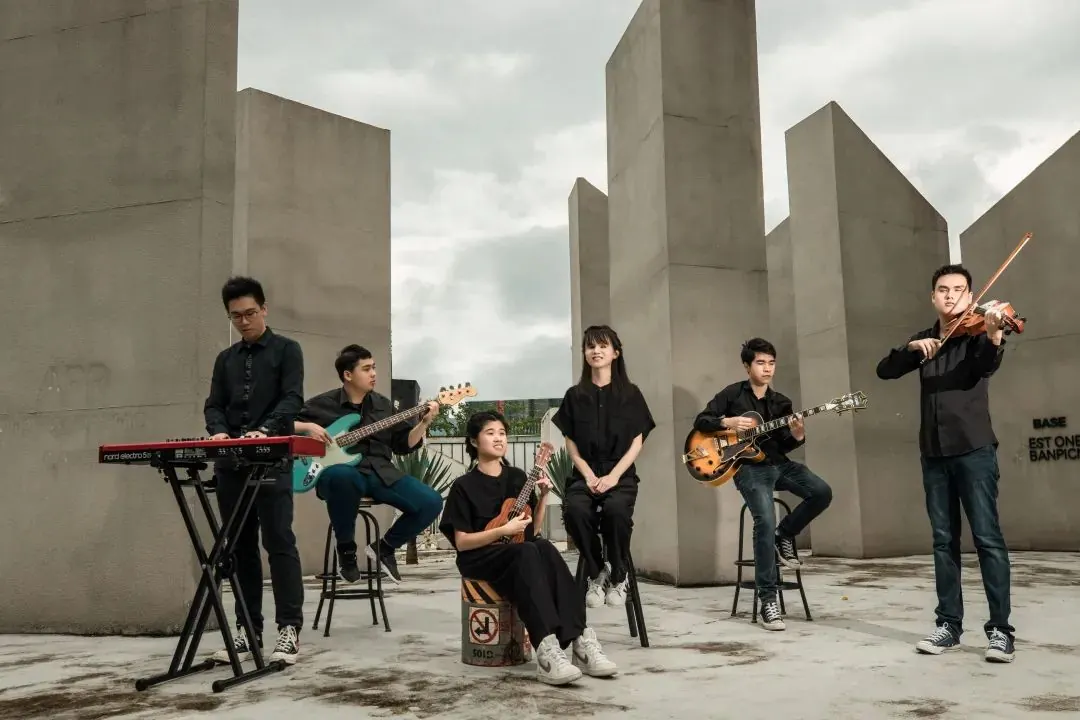
They rehearse, practice and play music together. With these memories, enthusiasm and curiosity about music, they find self-confidence and themselves in music. Music does benefit them a lot.
"I hope what you remember is not what's special about me, but about me, myself and my music. "
There is always a stage that belongs to you. Then what kind of audio-visual feast will Jazzy Pie bring to our stage? There are many ways to unleash yourselves. Jazzy Pie chose Jazz. What about you?

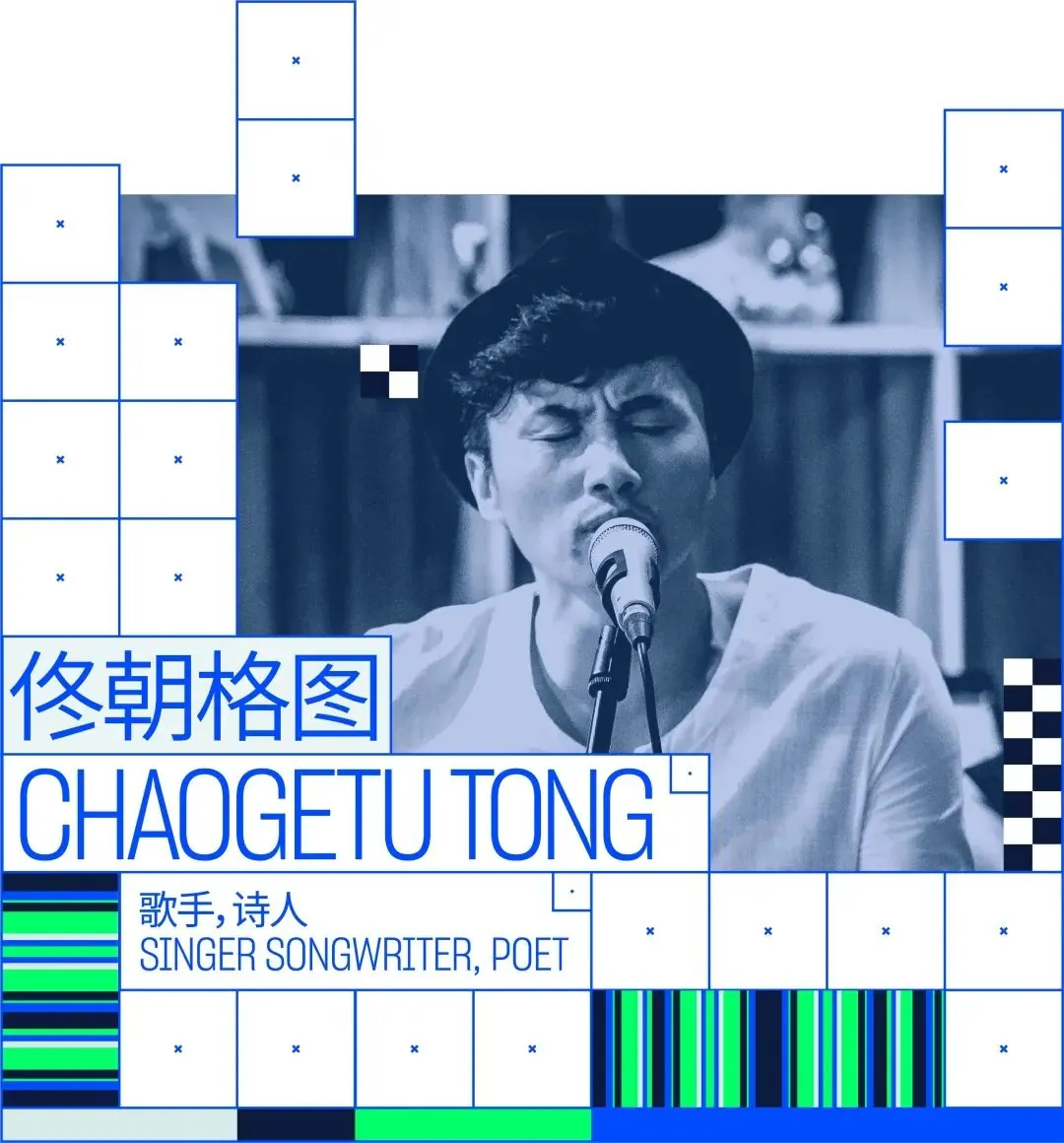
Chaogetu Tong is from Inner Mongolia. He has stayed in Shenzhen for two years and released two original albums. His lyrics are poetic. In 2015, after reading the news that four children collectively drank pesticides and committed suicide in Bijie, Guizhou after being left behind by their parents, he was possessed by a deep wave of powerlessness. He wrote the song "Ants in the Heyday":
We're all just ants in the heyday
As busy as ever, speechless and traceless
Brave as I am, left with the courage of silence
Poor as you are, left with the handle of an ax.
What can music do? Chaogetu Tong was once clamped by this dichtomony between the useful and the un-useful. Walking out of the bar where he sang on the street at 4 a.m., he thought he would be better off as a sanitary worker who sweeps the streets. And he cannot cook a feast like a chef, either. The music is mellifluous, but what good does that do to our real life?

He finally found his place in music — music is unlimited. One does not use music to express his own thoughts and emotions. Instead, music uses one to show the universe, life and the wonders and the richness of inspiration.
In our hustle-bustle life, we rush towards the future, chasing after fame and wealth. We often feel hasty and anxious ... Indeed, who are we? Where can we find the joy of life? This time, Chaogetu Tong will use his poems and music to help us find the answers. Through his creativity, we will have an opportunity to embrace and relax ourselves.
Author:Super Richer, Victon Lau, Rain Huang, Laraine Liang(TEDxGuangzhou Content Team)
Editor:Jimmy Tan
Translate:Liang Wu, Bowen Yan
English proofread:Lenette Lua, Jimmy Tan
Typeset:Laraine Liang
Proofread:Phoebe Zhai, Jimmy Tan