
SEED
2017 年 8 月 27 日|August 27, 2017
教育,是引导学习,或者获取知识、技能、价值观、信仰及习惯的过程。这是维基百科中“教育”这个词条的第一句话。
当我们思考有关教育的问题时,特别是在中国,我们往往先想到的是“上学”,以及与此相关的天价学位房、中考高考季、高校毕业季等,这些都是近年如火如荼的话题。
如今,我们生活在一个高速变化的世界里。关于人工智能将如何从人类手中夺走工作已经有无数言论。但是,二十年前没有人能说出今天的世界看重哪些技能,没有人能够教会我们的下一代,或是正在阅读的你,如何面对接下来二十年的改变。我们唯一的希望是变得好奇,勇敢探索,变得坚毅,学习“如何学习”。这样的我们,以及我们的孩子,才会在面对这个快速变化的世界时有些许机会。
Education is defined as the process of guiding individuals to learn or acquire knowledge, skills, values, beliefs, and habits. This is how Wikipedia begins its entry on the term “education.”
When we discuss education, particularly in the context of China, what usually comes to mind is “schooling.” This brings with it topics like the skyrocketing costs of school district housing, the stressful seasons of high school and college entrance exams, and the frenzy of university graduation—issues that have dominated public discourse in recent years.
We are now living in an era of rapid transformation. Speculations about how artificial intelligence might replace human jobs are everywhere. Yet, two decades ago, no one could have foreseen the skills that would matter in today’s world, nor could anyone teach us—or the next generation—how to navigate the changes coming in the next twenty years. Our best chance lies in fostering curiosity, embracing exploration, building resilience, and mastering the art of “learning how to learn.” Only by doing so can we and our children find a foothold in this swiftly changing world.
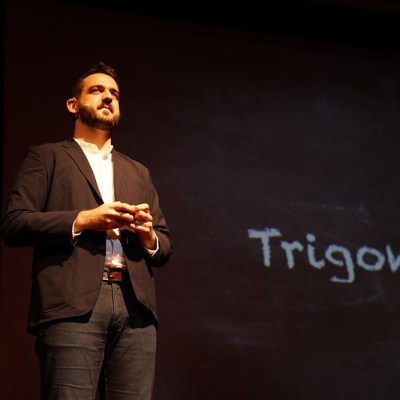


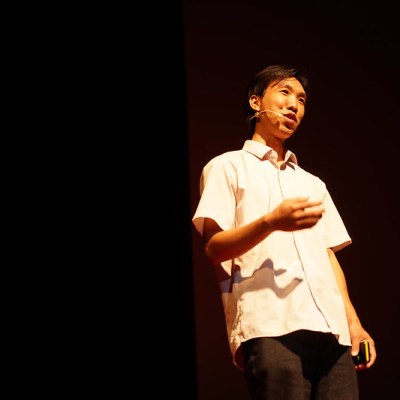
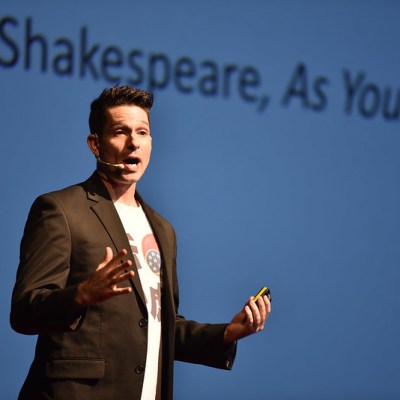
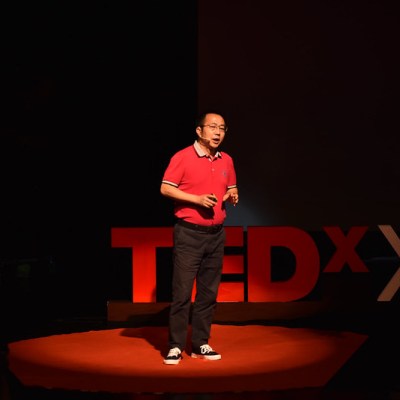
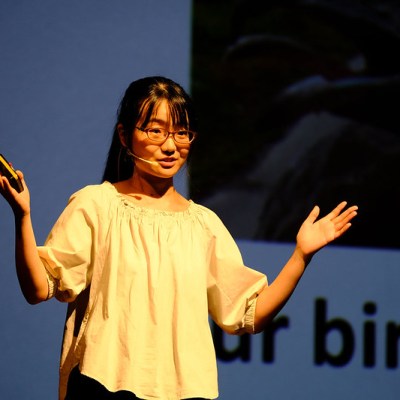
 TEDxGuangzhou (TEDxXiguan) 2014-2023